100+ Innovative Product Ideas for Students, Entrepreneurs, and Creators
Generating innovative product ideas requires shifting focus away from "cool gadgets" and toward solving expensive, high-friction problems. Whether you are a student building a prototype from recycled materials or an entrepreneur aiming for market disruption, successful ideation relies on the 4 Ps: modifying the Product, the Process, the Positioning, or the Paradigm. By validating ideas early through Minimum Viable Products (MVPs), creators can avoid the 40% failure rate that plagues new market entries.
What Makes a Product Truly Innovative?
When searching for innovative products ideas, many people mistakenly believe they need to invent something entirely from scratch. In reality, innovation exists on a spectrum. Understanding this spectrum is the first step to generating viable concepts for school projects or startup ventures.
At one end of the spectrum is Incremental Innovation. This involves making small, continuous improvements to existing products—such as adding active noise cancellation to wireless earbuds or improving the battery life of a smartphone. At the other end is Disruptive Innovation, which fundamentally changes how an industry operates, much like how streaming services replaced physical video rentals.
The 4 Ps Framework of Innovation
According to strategic frameworks utilized by leading financial and tech institutions, including Mastercard's product innovation strategy, effective ideation typically falls into one of four categories, known as the 4 Ps:
- Product: Creating a tangible new item or feature (e.g., a foldable smartphone screen).
- Process: Changing how a product is manufactured or delivered (e.g., 3D printing custom prosthetics to reduce costs).
- Positioning: Taking an existing product and marketing it to a completely new audience (e.g., military-grade GPS technology being adapted for civilian smartphones).
- Paradigm: Shifting the underlying business model (e.g., moving from purchasing software on discs to a cloud-based subscription model).
| Innovation Type | Definition | Real-World Example |
|---|---|---|
| Incremental | Upgrading existing features to maintain market competitiveness. | Adding a titanium frame to a flagship smartphone for durability. |
| Disruptive | Creating a new market network that displaces established leaders. | Peer-to-peer home-sharing platforms replacing traditional hotel bookings. |
| Process | Improving supply chain or manufacturing efficiency. | Using automated robotic sorting in fulfillment centers. |
| Paradigm | Changing the fundamental way consumers access value. | Transitioning from owning physical media to streaming digital libraries. |
How to Find Product Ideas That Don't Exist Yet
The most common mistake novice creators make is trying to brainstorm "good ideas" in a vacuum. A highly effective alternative is the "Expensive Problem" framework. This philosophy suggests that instead of looking for clever concepts, innovators should look for areas where consumers are currently wasting significant time, money, or emotional energy.
Speculative Brainstorming and Gap Analysis
To find products that do not exist yet, you must listen to consumer frustrations. Online communities are goldmines for this type of gap analysis. When users complain about the limitations of current market offerings, they are essentially writing your product brief.
For example, in beauty and skincare forums, consumers frequently discuss the friction of applying makeup over textured skin. A Reddit discussion on innovative makeup ideas highlighted a massive demand for speculative products like "peel-off makeup primers" or "invisible face masks for texture." While these specific chemical formulations may be scientifically challenging to produce as of 2026, they clearly identify an expensive problem: consumers want a smooth canvas without heavy, pore-clogging silicones.
A highly requested skincare item that acts as a temporary, breathable second skin to smooth texture before makeup application, eliminating the need for heavy foundations.
Consumers consistently express frustration with desk clutter. A magnetic, modular cable routing system built directly into desk mats represents a strong positioning opportunity.
With rising grocery costs, a simple, color-changing sticker that reacts to ethylene gas to indicate exactly when produce is about to spoil could drastically reduce household food waste.
Simple Innovative Product Ideas for School Projects
For students tasked with creating a prototype or participating in a science fair, the focus should be on feasibility, low-cost materials, and clear problem-solving. Educational projects are an excellent testing ground for applying design thinking principles to everyday campus or household issues.
DIY Tech and Sustainability
Sustainability remains a top-tier category for academic projects. Utilizing recycled materials not only keeps costs low but also aligns with global Environmental, Social, and Governance (ESG) trends. According to Pinterest trend data on new innovative products, DIY sustainability hacks consistently generate high engagement.
Consider these accessible project concepts:
- The Evaporative Cooling Fan: Using a standard desk fan, copper tubing, and a recycled water bottle system to create a low-energy, localized air conditioning unit for dorm rooms.
- E-Waste Solar Chargers: Salvaging small solar panels from broken garden lights and wiring them to a USB voltage regulator to create a portable phone charger.
- Recycled Filtration Systems: Designing a multi-stage water filter using layered natural materials (sand, charcoal, gravel) housed inside repurposed plastic bottles, demonstrating basic civil engineering concepts.

Image source: MBA Skool
Applying Human-Centered Design
Students should practice Human-Centered Design (HCD) by interviewing their peers before building. If the goal is to improve the study experience, a student might discover that neck strain from looking down at laptops is a primary complaint. The resulting product—perhaps a collapsible, cardboard laptop stand made from recycled shipping boxes—directly addresses a validated user need.
Marketable Product Ideas for Entrepreneurs and Startups
Moving from a school project to a commercial startup requires a shift in focus toward market readiness, manufacturing scalability, and profit margins. Entrepreneurs must evaluate whether an idea can survive the transition from prototype to mass production.
Sustainability as a Baseline, Not a Feature
In 2026, sustainability is no longer just a marketing angle; it is a baseline expectation. Startups are finding success by replacing single-use plastics with durable, eco-friendly alternatives. Examples include 3D-printed food-grade silicone containers that collapse for easy travel, or carbon-footprint tracking wearables that gamify eco-conscious daily decisions.
The Market Readiness Checklist
Before investing capital into a new product idea, entrepreneurs should run their concept through a rigorous validation process. Use this checklist to evaluate market viability:
- Identify the Core Friction: Does this product solve a problem that users are actively complaining about, or is it a solution looking for a problem?
- Assess the Manufacturing Complexity: Can this be produced using standard manufacturing techniques (like injection molding), or does it require custom, expensive machinery?
- Evaluate the Margin Potential: Can the product be manufactured for at least one-third of its final retail price to account for marketing, shipping, and retail markups?
- Determine the Positioning: Are you targeting a high-end luxury market with premium materials, or a mass-market audience with cost-effective alternatives?
Genius Home and Kitchen Gadgets That Solve Daily Problems
The home and kitchen sector is a prime example of how incremental innovation can yield highly profitable results. Consumers are constantly looking for ways to reduce micro-frustrations in their daily routines. Products in this category often succeed because they elicit a strong emotional response—specifically, the feeling of relief when a tedious task is simplified.
Industry roundups, such as those compiled by the ODM Group on innovative product ideas, frequently highlight gadgets that combine clever mechanical engineering with everyday utility.
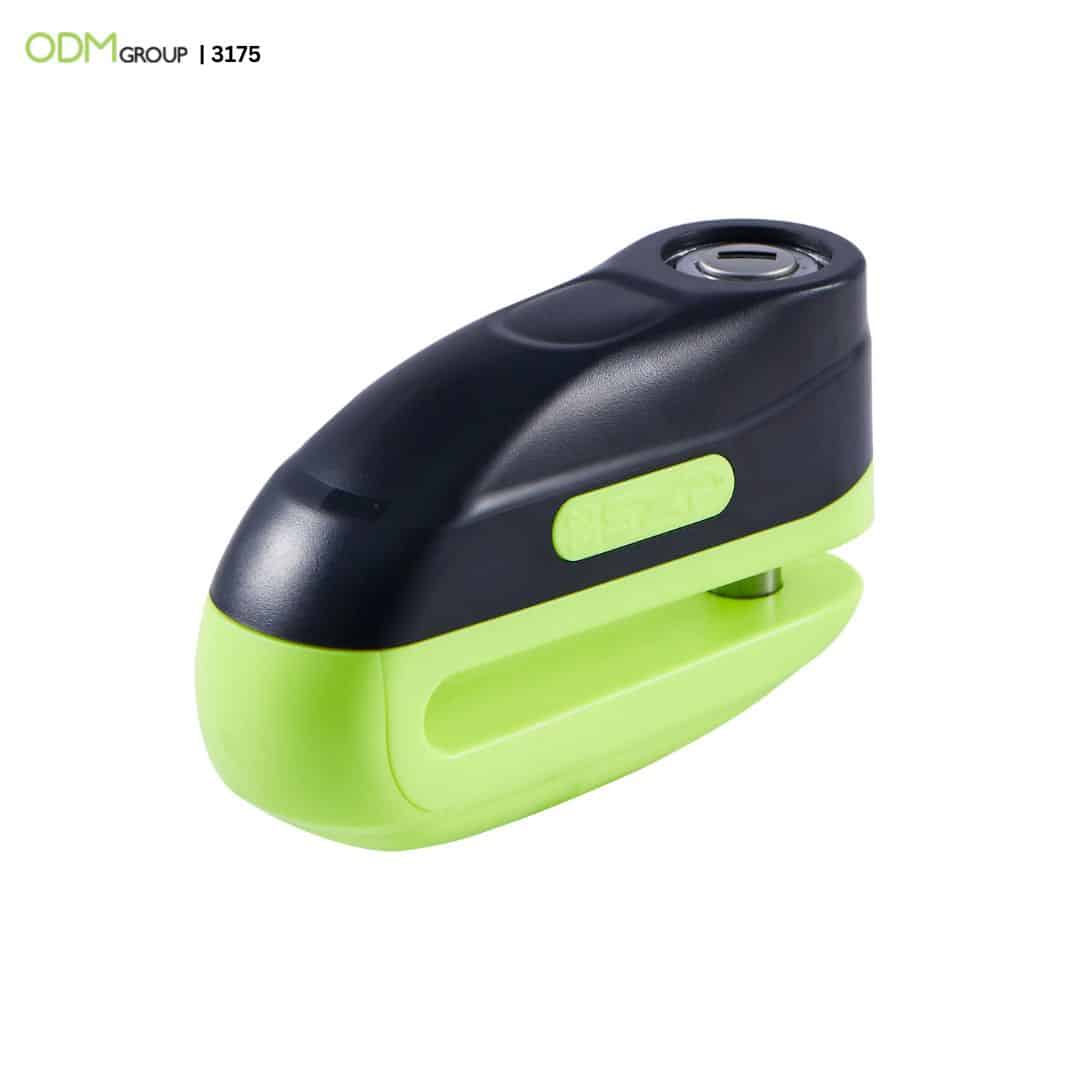
Image source: The ODM Group
Examples of Micro-Frustration Solvers
- Adjustable Gear-Card Jar Openers: Traditional jar openers rely on grip strength, which can be difficult for elderly users. Innovative designs use a mechanical gear system that locks onto any lid size and provides leverage, solving an accessibility issue.
- Steam-Based Microwave Cleaners: Products like the "Angry Mama" use a simple mixture of water and vinegar. As the microwave runs, steam is released to soften hardened food splatters, turning a 10-minute scrubbing chore into a simple wipe-down.
- Read-From-Above Measuring Cups: Pioneered by brands like OXO, this design features an angled interior surface with measurement markings. Users can read the volume by looking straight down into the cup, eliminating the need to bend over or lift the cup to eye level.
These products stand out as top choices for retail because they require very little consumer education. The problem is immediately recognizable, and the solution is visually intuitive.
Why 40% of New Products Fail and How to Beat the Odds
While brainstorming is exciting, it is crucial to apply a "reality check" to your ideas. The innovation landscape is highly competitive, and the failure rates are sobering. According to data from Hanover Research on product ideation, approximately 45% of product ideas are terminated during the initial research and development phase. Furthermore, of the products that actually make it to market, roughly 40% fail to achieve commercial success.
The Innovation Funnel
To understand why so many products fail, it helps to visualize the innovation pipeline. A successful launch requires filtering out weak concepts early.
The Lean Startup Approach
To beat these odds, modern creators rely on the Lean Startup methodology. Instead of spending years perfecting a final product, innovators build a Minimum Viable Product (MVP). An MVP includes only the core features necessary to solve the user's problem. By releasing the MVP to a small test group, creators can gather real-world feedback and pivot their design before committing to expensive mass production.
Real World Examples of Design Thinking in Action
Design thinking is a non-linear, iterative process that teams use to understand users, challenge assumptions, redefine problems, and create innovative solutions. Examining real-world case studies provides a blueprint for how this methodology drives commercial success.
According to IDEO U's examples of design thinking, some of the most impactful products of the last decade were born from deep empathy for the end-user.
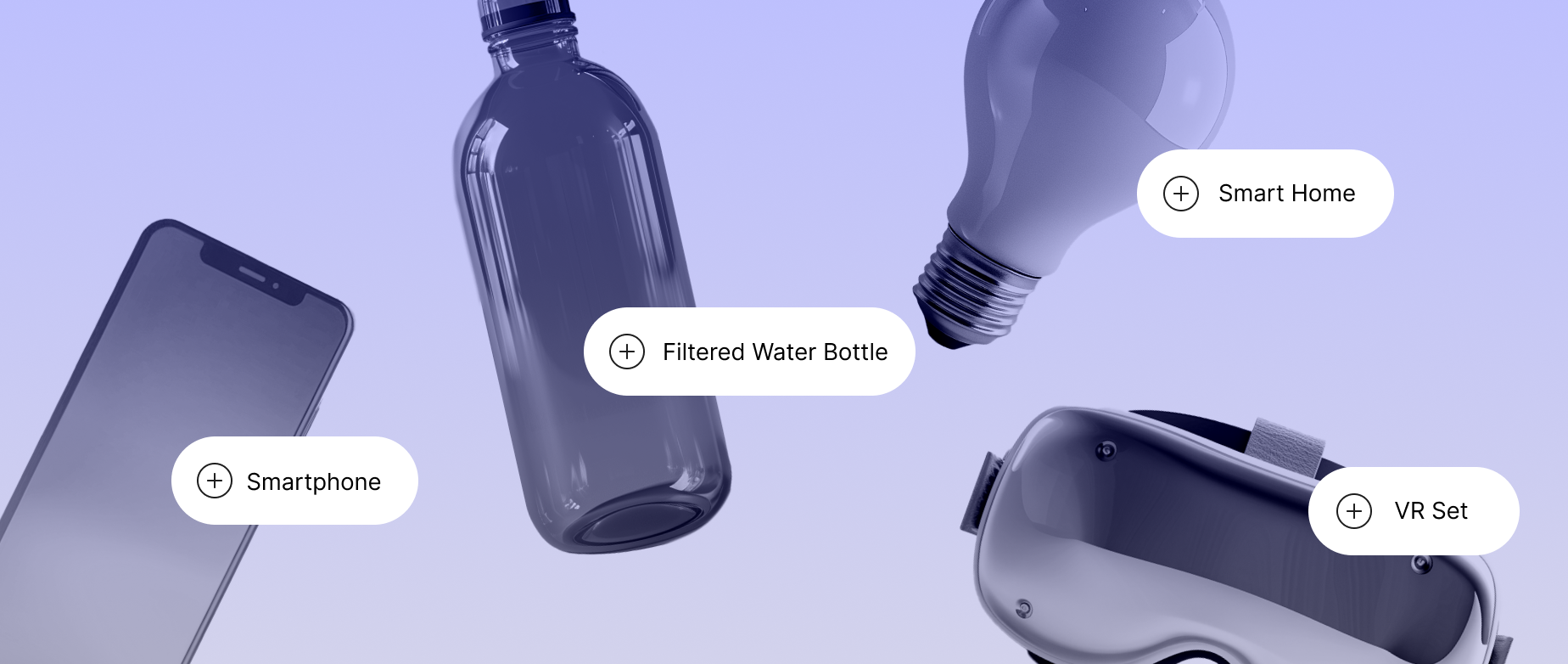
Image source: Shopify
Case Studies in Empathy-Driven Design
- PillPack (Process Innovation): Traditional prescription management required patients to juggle multiple orange pill bottles, leading to missed doses and confusion. PillPack redesigned the process by delivering medications in pre-sorted, time-stamped packets. They didn't invent new medicine; they innovated the delivery process, which ultimately led to an acquisition by Amazon.
- Willow (Product & Positioning Innovation): Traditional breast pumps were bulky, loud, and required users to be tethered to a wall outlet. Willow applied design thinking to create the first cordless, wearable breast pump that fits inside a standard nursing bra. By treating the device more like a wearable accessory than a piece of medical machinery, they restored mobility and dignity to the user experience.
- Airbnb (Digital Paradigm Innovation): In its early days, Airbnb was struggling to gain traction. The founders realized that low-quality, dimly lit photos were preventing users from trusting the listings. By renting professional cameras and taking high-resolution photos of properties themselves, they significantly increased booking rates. This minor design tweak proved to be a highly impactful pivot that saved the company.
Frequently Asked Questions
- What are some simple innovative product ideas for students?
- Students should focus on projects that utilize recycled materials or solve immediate classroom problems. Examples include building localized evaporative cooling fans from repurposed water bottles, creating solar-powered phone chargers using salvaged e-waste, or designing ergonomic, cardboard laptop stands to reduce neck strain during study sessions.
- How do I come up with a product idea that doesn't exist yet?
- Instead of trying to invent something entirely new, look for "expensive problems." Browse niche community forums (like Reddit or specialized Facebook groups) and pay attention to what consumers consistently complain about. Gap analysis—identifying the friction points in daily routines—will naturally reveal the products that need to be built.
- What is the difference between an invention and an innovation?
- An invention is the creation of a completely new object, process, or technology that did not previously exist. Innovation, on the other hand, is the application of an idea (whether new or existing) to solve a specific problem and create measurable value in the market. You do not need to invent new technology to create an innovative product.
- What everyday problems need new product solutions?
- Consumers are actively seeking solutions for micro-frustrations. Current high-demand areas include modular cable management systems for home offices, intuitive food-waste trackers for refrigerators, accessible packaging for elderly individuals, and sustainable alternatives to single-use travel and cosmetic containers.
- How can I test my product idea before spending money?
- Utilize the Lean Startup methodology by creating a Minimum Viable Product (MVP). This could be a simple 3D-printed prototype, a digital mockup, or even a landing page describing the product. Present this MVP to your target audience to gauge genuine interest and collect feedback before investing in expensive manufacturing molds or large inventory orders.
Final Thoughts
Generating innovative product ideas is less about waiting for a stroke of genius and more about systematically identifying and solving high-friction problems. Whether you are building a simple prototype for a school project or launching a scalable startup, success depends on understanding user needs and validating your concepts early.
- Target expensive problems rather than just brainstorming "cool ideas" in a vacuum.
- Apply the 4 Ps framework to determine if you are innovating the Product, Process, Positioning, or Paradigm.
- Utilize community gap analysis by reading consumer complaints in niche forums to find missing market solutions.
- Build a Minimum Viable Product (MVP) to test your assumptions and avoid becoming part of the 40% market failure rate.
- Focus on micro-frustrations in daily life, as simple mechanical solutions (like angled measuring cups) often yield highly profitable results.
- Integrate sustainability as a baseline requirement, utilizing recycled materials and eco-friendly manufacturing processes.