How to Find and Buy Wholesale China Products Without Getting Scammed
Importing wholesale China products requires moving beyond basic retail sites and establishing direct relationships with manufacturers. To succeed, you must:
- Choose the right platform: Use Alibaba for ease and buyer protection, or 1688 for domestic-level pricing.
- Calculate landed costs: Factor in shipping, import duties, and agent fees—not just the unit price.
- Verify suppliers rigorously: Request real-time video proof and specific material certifications before paying.
- Protect your payment: Always use Trade Assurance or Escrow for initial bulk orders, adhering to the 30/70 payment rule.
Sourcing wholesale products from China remains a highly effective strategy for e-commerce brands, brick-and-mortar retailers, and B2B distributors. In fact, according to recent trade data, 40.7% of all US imports originate from China, representing hundreds of billions of dollars in annual trade.
However, the landscape of international sourcing has matured. The days of simply browsing a directory, wiring money, and hoping for the best are long gone. Today's successful importers treat sourcing as a rigorous procurement process. They understand the nuances between different wholesale platforms, know how to bypass export markups, and implement strict quality control measures before a single product boards a cargo ship.
This article breaks down the exact frameworks used by professional buyers to source wholesale China products safely, negotiate competitive rates, and calculate the true cost of imported goods.
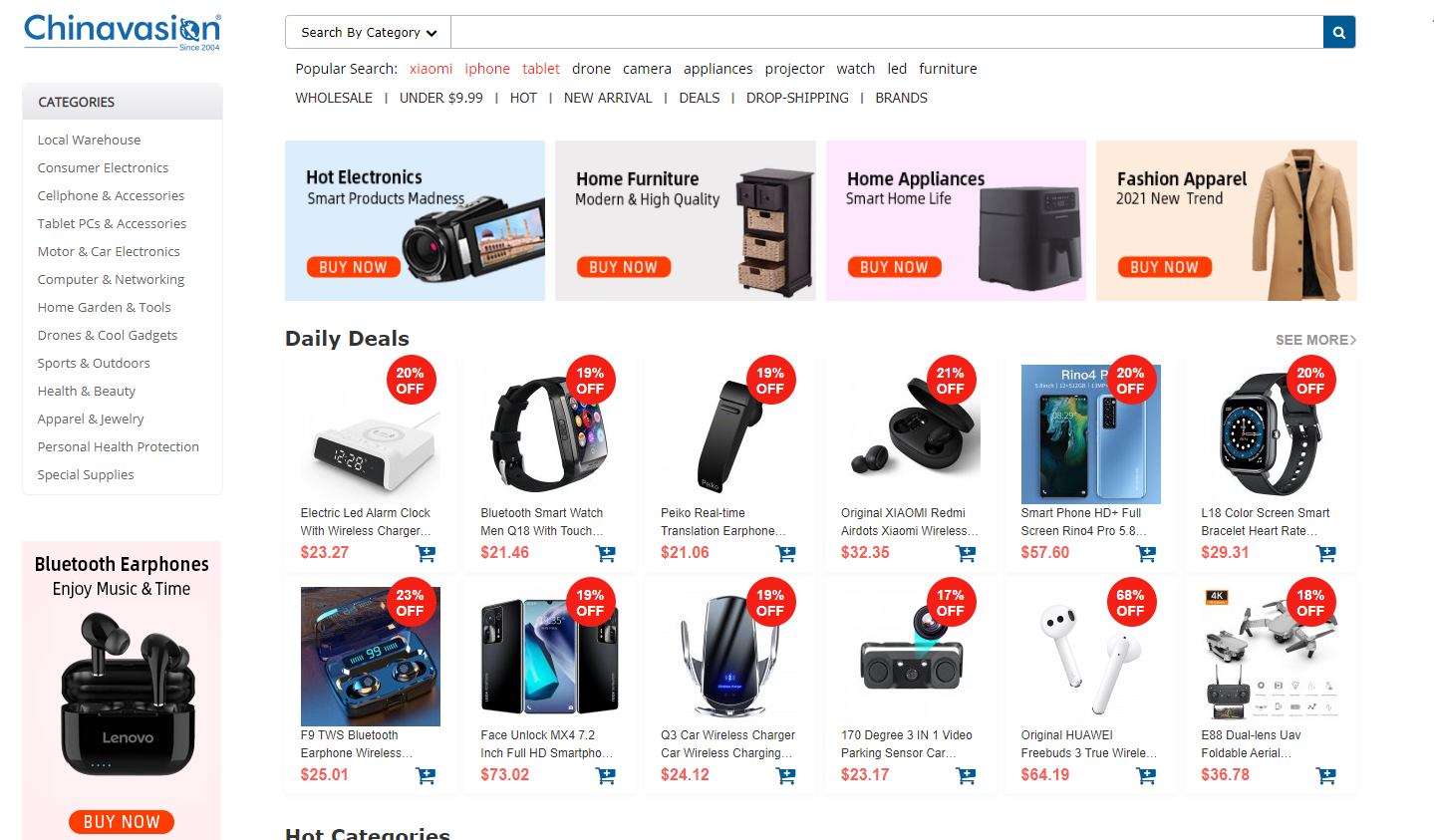
Image source: CJ Dropshipping Blogs.
Which China Wholesale Website Is Right for Your Business?
A common mistake new buyers make is assuming all Chinese wholesale websites serve the same purpose. In reality, the ecosystem is highly segmented. Choosing the wrong platform for your specific product category or business size can lead to inflated prices, communication breakdowns, or mismatched minimum order quantities (MOQs).
Here is a breakdown of the major platforms and their specific use cases:
Alibaba.com: The Global Standard
Alibaba is widely regarded as a top-tier option for international buyers. It is designed specifically for export, meaning the interface is in English, suppliers are accustomed to international shipping logistics, and the platform offers robust buyer protection through its Trade Assurance program. According to the Alibaba Wholesale Directory, top-tier suppliers in popular categories like apparel and handbags frequently report annual revenues between $1M and $10M USD, indicating a high level of manufacturing capacity. It is an excellent starting point for most standard consumer goods.
1688.com: The Domestic Powerhouse
Owned by the Alibaba Group, 1688 is the domestic equivalent of Alibaba.com. Because it caters to Chinese buyers (including trading companies that later resell on Alibaba), the prices on 1688 are often significantly lower—sometimes by 20% to 30%. However, the platform is entirely in Mandarin, requires a Chinese bank account or Alipay for transactions, and suppliers typically only ship to domestic addresses. Accessing these prices usually requires a specialized workflow, which we will detail later in this article.
Made-in-China.com: Industrial and Heavy Machinery
Established in 1998, Made-in-China specializes primarily in heavy industry, construction materials, agricultural equipment, and large-scale manufacturing machinery. If you are sourcing CNC routers, commercial packaging machines, or bulk raw materials, this platform frequently yields more qualified factory-direct suppliers than Alibaba.
Global Sources: Electronics and Trade Show Integration
Global Sources operates on a hybrid model, linking its online directory to major physical trade shows in Hong Kong. It is highly respected in the consumer electronics, mobile accessories, and fashion sectors. Suppliers on Global Sources are often larger, more established factories that hold international patents and strict quality certifications.
PapaChina: Promotional and Custom Merchandise
For businesses looking to source branded corporate gifts, event giveaways, or custom promotional items, niche platforms like PapaChina offer specialized services. They focus heavily on low-cost, high-volume items that require custom logo printing, streamlining a process that can sometimes be cumbersome on broader platforms.
| Platform | Primary Focus | Pricing Level | Language Support | Best For... |
|---|---|---|---|---|
| Alibaba | General Consumer Goods | Moderate (Export Pricing) | English / Multi | Beginners, standard OEM products, secure payments. |
| 1688 | Domestic Wholesale | Very Low (Factory Direct) | Mandarin Only | Experienced buyers using sourcing agents to maximize margins. |
| Made-in-China | Heavy Industry & Machinery | Moderate to High | English | B2B industrial procurement and construction materials. |
| Global Sources | Electronics & Fashion | Moderate | English | High-end electronics and buyers attending physical trade shows. |
How to Use 1688 to Get Lower Prices Than Alibaba
As mentioned, 1688 offers some of the most competitive pricing available because it bypasses the "export markup." When you buy on Alibaba, you are often buying from a trading company that sourced the product from 1688, added their margin, and listed it in English. However, navigating 1688 as an international buyer presents significant hurdles.
According to logistics experts at Gorto Freight, successfully utilizing platforms like 1688 generally requires the use of a local intermediary. This is commonly known as the "Sourcing Agent Workflow."
The Sourcing Agent Workflow
A sourcing agent is a professional or agency based in China that acts as your local representative. Here is how the process typically works to bypass the export barrier:
- Product Identification: You browse 1688.com (using browser translation tools) and identify the specific product links and suppliers you want to purchase from.
- Agent Hiring: You hire a sourcing agent and provide them with the 1688 links, your required quantities, and any customization details.
- Domestic Negotiation: The agent contacts the factory in Mandarin, negotiates the final price, and clarifies technical specifications. Because they are a local buyer, they secure domestic pricing.
- Purchasing and Consolidation: You pay the agent (usually via wire transfer or Payoneer), and they use their Chinese bank account to buy the goods. The factory ships the products to the agent's warehouse in China.
- Quality Control and Export: The agent inspects the goods upon arrival. If you ordered from multiple 1688 suppliers, the agent consolidates all the items into a single international shipment, significantly reducing your freight costs.
While sourcing agents typically charge a commission (ranging from 3% to 10% of the order value), the savings achieved by accessing domestic pricing and consolidating freight often far outweigh the agent's fee, making this a highly effective strategy for scaling businesses.
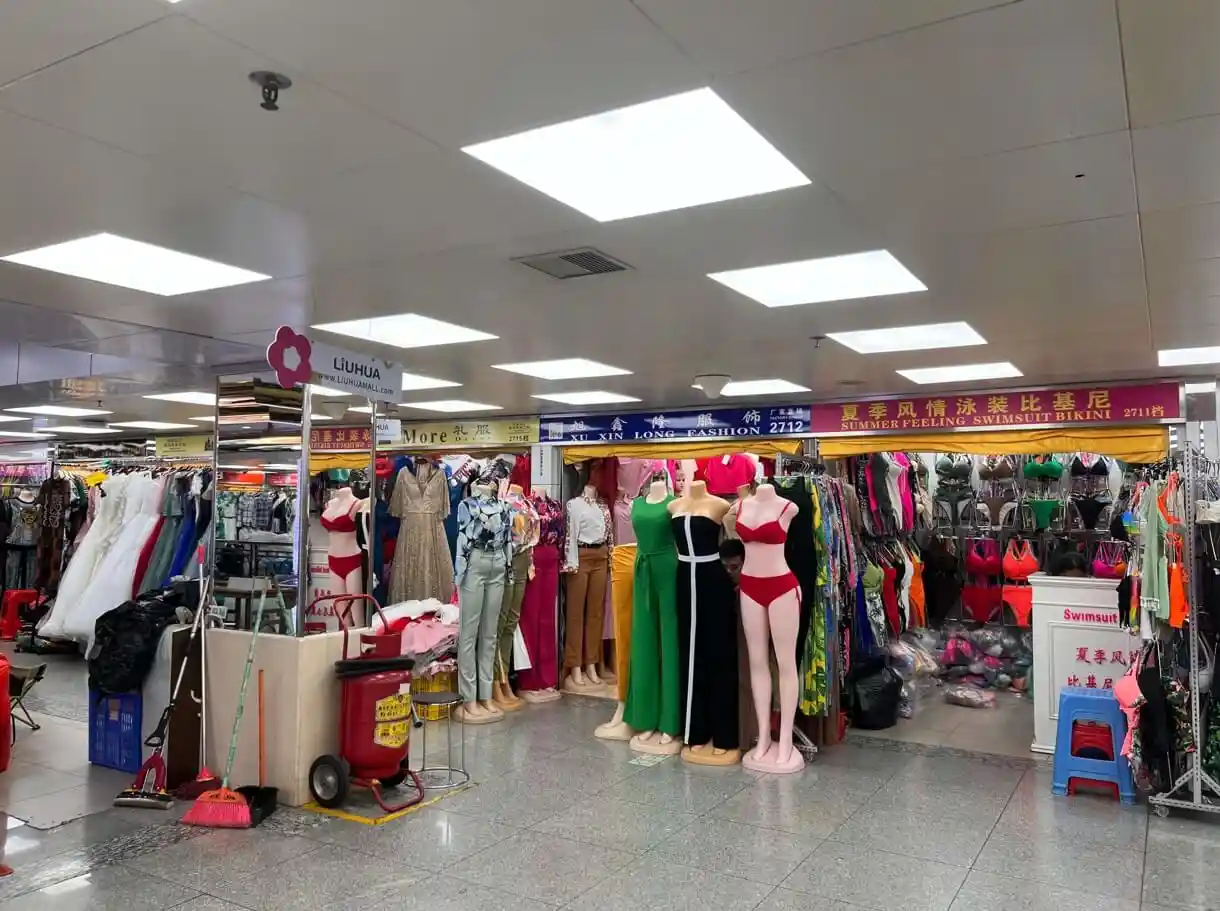
Image source: LiuhuaMall
How to Calculate the Real Cost of Your Imported Goods
A critical error in wholesale sourcing is confusing the "unit price" with the "landed cost." The price listed on a supplier's page often represents only 60% to 70% of the total cost required to get that product into your warehouse.
To build a sustainable business, you must utilize a strict Cost of Goods Sold (COGS) mathematical framework before committing to a purchase.
The Complete COGS Framework
Always calculate your per-unit cost using the fully landed formula.
Breaking Down the Hidden Fees
When calculating your total investment, ensure you account for the following variables:
- Inland Freight: The cost to move the goods from the Chinese factory to the Chinese port of departure.
- International Freight: The cost of ocean or air transport across the border.
- Import Duties: Tariffs levied by your country's customs agency. These vary wildly based on the product's HS (Harmonized System) code.
- Customs Brokerage Fees: The fee paid to a licensed broker to clear your goods through customs.
- Currency Exchange and Wire Fees: Bank fees for international T/T (Telegraphic Transfer) payments, which can add $30 to $50 per transaction.
"Pro Tip: If you are new to importing and want to avoid complex logistics math, ask your supplier for a DDP (Delivered Duty Paid) quote. Under DDP terms, the supplier is responsible for all shipping costs, import duties, and customs clearance, delivering the product directly to your door."
What Questions Should You Ask to Verify a Supplier?
The internet is full of static "China wholesale suppliers list PDFs." However, experienced importers in communities like Reddit's r/Alibaba frequently warn that these lists become outdated quickly or are populated by brokers paying for placement. Instead of relying on static lists, you must learn how to verify suppliers in real-time.
The "Real-Time" Verification Test
To ensure you are dealing with a legitimate operation that actually possesses the product, ask for a real-time video. Request that the sales representative record a short video of the product on the factory floor or showroom, holding a piece of paper with today's date and your company name written on it. Scammers and phantom middlemen cannot fulfill this request.
Understanding Manufacturing Capabilities
You must also determine what type of manufacturing relationship you need. Suppliers generally fall into two categories:
- OEM (Original Equipment Manufacturer)
- In an OEM arrangement, you provide the complete design, blueprints, and specifications. The factory simply acts as your manufacturing arm, building the product exactly to your custom requirements.
- ODM (Original Design Manufacturer)
- In an ODM arrangement, the factory has already designed and engineered the product. You select an existing product from their catalog and ask them to apply your branding, logo, and custom packaging. This is commonly known as "private labeling."
Niche-Specific Technical Questions
Generic questions like "Is the quality good?" will always receive a "Yes." To command respect and get accurate information, you must ask highly specific, technical questions related to your niche. This signals to the supplier that you are an experienced buyer.
- For Jewelry: Do not just ask if it tarnishes. Ask: "Are these pieces finished with PVD (Physical Vapor Deposition) or standard electroplating? What is the exact micron thickness of the gold plating?"
- For Electronics: Ask: "Can you provide the CE and RoHS compliance certificates? Which specific chipset model is used in the motherboard?"
- For Apparel: Ask: "What is the exact GSM (Grams per Square Meter) of the cotton? Can you provide the results of your standard wash-shrinkage tests?"
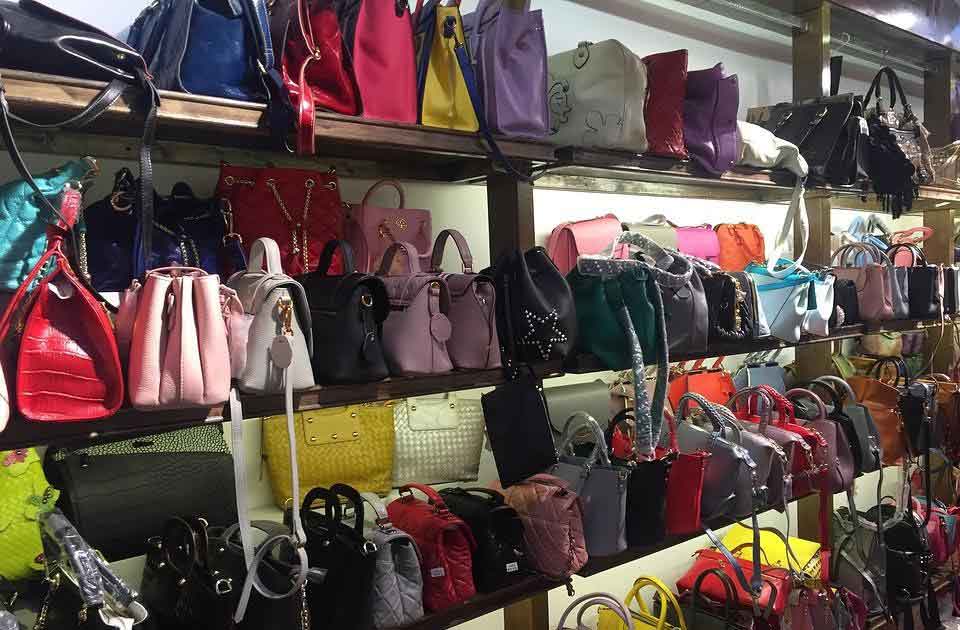
Image source: Global Trade Specialists
How to Pay Your Chinese Suppliers Safely
Payment security is a primary concern when dealing with overseas vendors. The method you choose dictates your level of recourse if the goods arrive damaged or do not match the agreed-upon specifications.
Trade Assurance and Escrow
If you are sourcing through Alibaba, utilizing their Trade Assurance program is highly recommended. Trade Assurance acts as an escrow service; your funds are held in a secure account and are only released to the supplier once the goods are shipped and meet the documented quality standards. If a dispute arises, Alibaba's mediation team can step in and issue refunds based on the contract terms.
The 30/70 Bank Transfer Rule
For larger, established relationships or off-platform transactions, Bank Transfers (T/T) are the standard. However, you should never pay 100% upfront for a bulk manufacturing order. The global standard is the "30/70 Rule":
- 30% Deposit: Paid upfront to initiate production and allow the factory to purchase raw materials.
- 70% Balance: Paid ONLY after production is complete AND a third-party quality control inspection has passed, but before the goods are loaded onto the ship.
PayPal and Credit Cards
PayPal and credit cards offer excellent buyer protection (via chargebacks) and are ideal for purchasing initial samples. However, Chinese suppliers rarely accept these methods for large bulk orders due to the high processing fees (typically 3% to 5%), which eat heavily into their thin manufacturing margins.
How to Handle Shipping and Customs Without a Headache
Once your products are manufactured, moving them across the globe requires careful logistical planning. Your choice of freight depends entirely on the weight of your goods and your required timeline.
Choosing Your Freight Method
- Air Express (DHL, FedEx, UPS): The fastest option (3-7 days) and offers door-to-door tracking. It is highly reliable but very expensive. It is generally only viable for lightweight, high-margin items or urgent sample deliveries.
- Air Freight: Slower than express (8-15 days) and usually requires you to arrange transport from the destination airport to your warehouse. It is a middle ground for medium-weight shipments.
- Sea Freight: The most economical option for bulk orders, but also the slowest (30-45+ days). Sea freight is calculated by volume (CBM - Cubic Meters) rather than just weight. You can choose FCL (Full Container Load) if you have enough goods, or LCL (Less than Container Load) to share space with other importers.
Quality Control (QC) Inspections
Never assume your order is perfect just because the sample was. Before paying your final 70% balance, it is standard practice to hire a third-party inspection company (such as QIMA or V-Trust). For roughly $200 to $300, an inspector will visit the Chinese factory, pull a random sample of your products based on AQL (Acceptable Quality Limit) standards, and provide a detailed photographic report checking for defects, correct packaging, and functionality.
Customs and Intellectual Property
When importing into the United States, you must comply with U.S. Customs and Border Protection (CBP) regulations. Even if your specific product does not require a specialized import license, you generally need to register as an importer of record and secure a customs bond for commercial shipments valued over $2,500.
Furthermore, if you are manufacturing custom designs, protecting your Intellectual Property (IP) is vital. Standard Western NDAs are often difficult to enforce overseas. Instead, experienced buyers use NNN Agreements (Non-Disclosure, Non-Use, Non-Circumvention) drafted by legal professionals familiar with Chinese jurisdiction to prevent factories from selling your custom designs to competitors.
Frequently Asked Questions
What is the safest website to buy wholesale from China?
Can I buy wholesale from China without a business license?
Is it cheaper to use a sourcing agent or buy directly?
What is a "good" MOQ for a beginner?
How do I know if a supplier is a factory or a middleman?
The Bottom Line
Successfully sourcing wholesale China products is a structured procurement process that requires diligence, clear communication, and strict quality control. By moving systematically from platform selection to final inspection, you can build highly profitable supply chains.
- Never skip the sample phase: Always order and test physical samples before committing to bulk manufacturing.
- Use Trade Assurance: Protect your capital by keeping transactions on-platform for initial orders.
- Calculate Landed Cost: Factor in freight, duties, and fees using the COGS formula to understand your true margins.
- Ask technical questions: Verify supplier expertise by asking niche-specific questions about materials and certifications.
- Hire third-party inspectors: Always pay for an independent QC inspection before releasing the final 70% payment to the factory.