How to Find and Land High-Paying Software Engineering Remote Jobs
The Reality of the Remote Market in 2026
As we navigate the tech landscape in mid-2026, the primary intent for most developers remains clear: finding stable, high-paying remote work that offers true flexibility. However, the market has undergone a significant transformation. While major aggregators like Indeed continue to list over 19,000 remote roles, the actual hiring environment feels notably different than the frenzy of 2021.
Data-driven insights from The Pragmatic Engineer suggest that while volume remains high, actual hiring activity has cooled by nearly 50% from its historic peak. This discrepancy is often attributed to "ghost jobs"—listings that remain active to build talent pipelines rather than fill immediate needs. For the modern engineer, the goal is no longer just to apply, but to bypass the "black hole" of Applicant Tracking Systems (ATS) and find high-quality, verified opportunities.

Image source: ITPro
The 2026 market favors candidates who treat remote work as a specific technical discipline. It is no longer enough to be a strong coder; you must demonstrate that you can function effectively in a distributed environment where asynchronous communication and self-documentation are the lifeblood of the organization.
Where to Find High-Quality Remote Software Engineering Roles Today
While mass-market boards offer volume, specialized talent often finds better success on niche platforms. The quality of a listing is frequently more important than the quantity of roles available.
Top-Rated Job Boards for Specialized Tech Talent
For engineers seeking roles that respect distributed culture, We Work Remotely stands out as a top choice. Unlike general boards, it focuses exclusively on roles where remote work is the default, not an afterthought. Similarly, BuiltIn has become a highly effective resource for "local-remote" roles—positions that allow remote work but are tied to specific tech hubs like Austin, Chicago, or San Francisco, often offering higher salary benchmarks aligned with those regions.
LinkedIn remains a powerful tool, but it requires a different approach in 2026. Instead of just using the "Easy Apply" button, successful candidates use the platform to identify hiring managers and engineering leads at companies that have recently secured funding or announced new product lines. This proactive approach helps candidates stand out in a sea of automated applications.
Why You Should Target Remote-First Over Remote-Friendly Companies
One of the most critical distinctions a job seeker can make is between "Remote-First" and "Remote-Friendly" organizations. This distinction often determines your long-term career growth and daily stress levels.
Remote-First companies, such as GitLab or Crossover, are built from the ground up for distributed work. They prioritize written documentation, asynchronous workflows, and objective performance metrics. In these environments, you are not at a disadvantage if you aren't in the "main office" because there isn't one.
Remote-Friendly companies often maintain a physical headquarters where the leadership team resides. This can lead to "proximity bias," where engineers who are physically present receive better projects or faster promotions. According to insights from Crossover, remote-first cultures rely on "Trust as Infrastructure," meaning reliability and meeting deadlines are the foundation of all team interactions.
| Feature | Remote-First Culture | Remote-Friendly Culture |
|---|---|---|
| Communication | Asynchronous by default (Slack/Notion) | Synchronous (Meetings/Hallway chats) |
| Documentation | Strict; if it isn't written, it doesn't exist | Informal; knowledge often stays in heads |
| Promotion Path | Based on output and impact | Can be influenced by office visibility |
| Meeting Frequency | Low; focused on deep work blocks | High; "Zoom fatigue" is common |
How to Access the Hidden Remote Job Market
Industry estimates suggest that as many as 80% of remote roles are never publicly listed on major job boards. These positions are filled through internal referrals, direct headhunting, or niche community networks. This is known as the "Hidden Market."
Networking Strategies for the Modern Engineer
In a cooling market, differentiation is key. Community wisdom from platforms like Reddit’s r/cscareerquestions emphasizes that the most effective way to land a high-paying role is to move beyond the application portal. This involves:
- Outbound Hiring: Identifying companies you admire and reaching out to Engineering Managers directly with a brief, value-driven message.
- GitHub as a Social Proof: Maintaining an active presence in open-source projects related to your target stack. A history of merged Pull Requests (PRs) is often more persuasive than a traditional resume.
- Niche Communities: Joining Slack or Discord groups dedicated to specific technologies (e.g., Gophers Slack for Go developers or the Rust community).
High-Paying Skills for Remote Developers in 2026
The tech stack you choose significantly impacts your remote salary potential. In 2026, we are seeing a clear shift away from generic full-stack roles toward specialized, high-impact engineering.
Integrating Claude/ChatGPT APIs and managing vector databases.
High-performance fintech and smart contract development.
The preferred choice for distributed startup mobile teams.
Managing distributed infrastructure and cloud security.
The Dominance of AI and Machine Learning Workflows
AI is no longer a separate department; it is integrated into the daily workflow of every remote software engineer. Companies are looking for developers who can orchestrate Large Language Models (LLMs) and build AI-driven features that improve user experience. Proficiency with tools like LangChain or specialized AI APIs is becoming a standard requirement for senior roles.
Fintech and Blockchain: The Rust Surge
For those seeking the highest compensation tiers, Rust has emerged as a significant advancement in systems programming. Remote-first fintech startups are gravitating toward Rust for its memory safety and performance, especially in the context of blockchain and high-frequency trading platforms. Mastering Rust, particularly within the Solana or Ethereum ecosystems, ranks among the top ways to secure a six-figure remote contract.
How to Stand Out in a Competitive Remote Interview
Remote interviews differ fundamentally from in-person ones. You aren't just being judged on your code; you are being judged on your ability to communicate through a screen.
Mastering the Remote Behavioral Interview
Expect questions specifically designed to test your suitability for distributed work. You should have prepared stories about how you handle isolation, how you manage your time without a manager looking over your shoulder, and how you resolve conflicts asynchronously. A common question in 2026 is: "Tell me about a time you identified a blocker and resolved it without a real-time meeting."
Technical Demonstrations in a Distributed Setting
Live coding over Zoom or Google Meet requires a "think out loud" approach. Because the interviewer cannot see your body language or the subtle ways you approach a problem, you must narrate your thought process. This compensates for the lack of physical presence and demonstrates your ability to collaborate remotely.
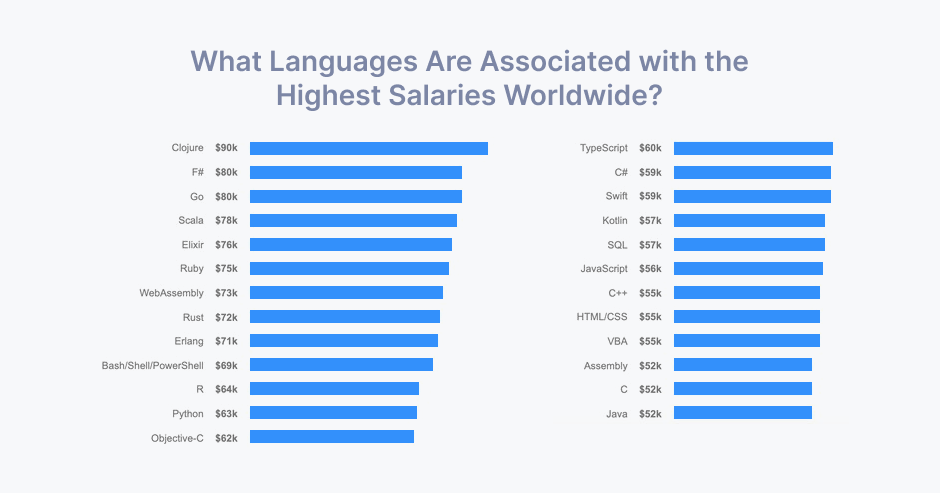
Image source: Index.dev
How to Navigate the Remote Job Search as a Junior Engineer
The "Fresher Gap" is a real challenge in 2026. Many companies have become hesitant to hire junior engineers remotely because onboarding is significantly more difficult without in-person mentorship. However, this gap can be closed with the right strategy.
To prove you are "onboardable," you must demonstrate a high degree of self-sufficiency. This means having a portfolio that shows the process of building—not just the final product. Use tools like Loom to record short videos explaining your code architecture. This gives hiring managers confidence that you can communicate complex ideas clearly in a remote setting.
The art of over-communication is your greatest asset as a junior. In a remote environment, no one knows you are working unless you tell them. Providing regular updates, flagging blockers early, and being proactive in documentation shows a level of maturity that many senior developers lack.
What Does the Remote Market Actually Pay in 2026?
Salary benchmarks for remote software engineering roles vary widely based on tech stack, experience, and the company's funding stage. While some companies have moved toward "location-based pay," many top-tier remote-first firms offer "national" or "global" pay scales to attract the best talent regardless of geography.
| Role Type | Experience Level | Estimated Salary Range (USD) |
|---|---|---|
| Frontend (React/Vue) | Mid-Senior | $130,000 – $185,000 |
| Backend (Go/Rust/Node) | Senior | $150,000 – $210,000 |
| AI/ML Engineer | Senior/Lead | $180,000 – $260,000+ |
| Mobile (React Native/Swift) | Mid-Senior | $140,000 – $195,000 |
| DevOps / SRE | Senior | $160,000 – $220,000 |
Note: Total Compensation (TC) often includes base salary, Restricted Stock Units (RSUs), and performance bonuses. In the 2026 market, base salaries have stabilized, but equity packages in AI-focused startups remain highly competitive.
Frequently Asked Questions
Can I work a US-based remote job from another country?
Do remote software engineering jobs pay less than in-office roles?
What is a highly effective programming language for remote work?
How do I know if a company is truly remote-first?
Are "ghost jobs" real on LinkedIn and Indeed?
The Bottom Line
The remote software engineering market in 2026 has matured into a landscape that rewards specialization and communication over mass applications. To succeed, keep these key takeaways in mind:
- Prioritize Remote-First: Target companies built for distributed work to ensure long-term career growth and cultural fit.
- Master AI-Integrated Stacks: Proficiency in AI tooling and LLM orchestration is no longer optional for high-paying roles.
- Optimize for the Hidden Market: Use direct outreach and open-source contributions to bypass the crowded ATS portals.
- Treat Communication as a Technical Skill: Asynchronous documentation and proactive updates are as important as your code quality.
- Leverage Niche Boards: Use platforms like BuiltIn and We Work Remotely to find verified, high-quality opportunities.
Start by auditing your GitHub and LinkedIn today to ensure they reflect your ability to deliver value in a fully distributed environment.