Latest Influencer Marketing News and Trends Shaping the Creator Economy in 2026
As of August 2026, the influencer marketing industry has reached a valuation of approximately $33 billion. Key shifts include the rise of Employee-as-Creator programs at major retailers like Gap and Starbucks, the introduction of AI content remixing on TikTok, and a significant migration of creator content toward FAST (Free Ad-supported Streaming TV) platforms. Marketers are increasingly prioritizing ROI-specific contracts to combat affiliate fraud and attribution gaps.
The creator economy is no longer a peripheral marketing channel; it is a central pillar of global commerce. According to recent data from Impact.com, the industry is projected to maintain its trajectory as brands move away from traditional media in favor of social-first strategies. However, this growth brings new complexities, particularly regarding the ethical use of Generative AI and the protection of creator likeness rights.
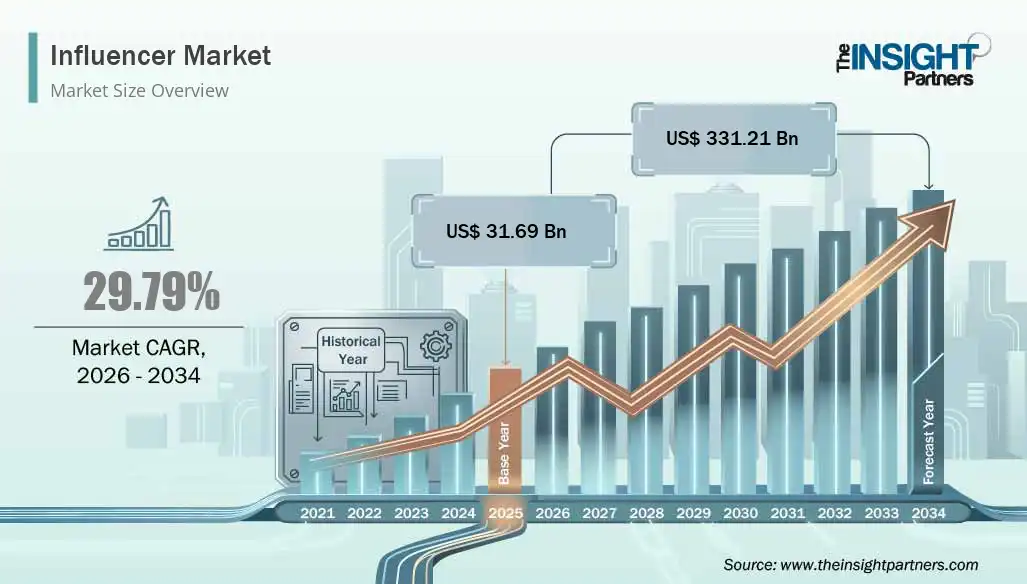
Image source: The Insight Partners
How Generative AI Remixing Is Changing TikTok Content Creation
One of the most discussed developments in recent months is TikTok’s testing of a generative AI "Remix" feature. This tool allows users to take existing creator content and use AI to modify or recreate it, effectively blurring the lines between original work and derivative AI-generated media. While TikTok positions this as a tool for creativity, it has sparked a heated debate over intellectual property.
The Rise of AI Remix Features
The "Remix" feature represents a significant advancement in how platforms facilitate user interaction. Instead of simply "dueting" a video, users can now prompt an AI to change the background, alter the creator's clothing, or even adjust the dialogue while maintaining the original creator's likeness. For brands, this offers a way to generate vast amounts of user-generated content (UGC) at a fraction of the traditional cost. However, for creators, it presents a risk of losing control over their digital identity.
Protecting Intellectual Property in the AI Era
Creators are beginning to push back against these features, citing concerns that their likeness could be used in unauthorized advertisements or controversial contexts. In response, many top-tier creators are now "hacking" their workflows by using tools like ChatGPT to draft specific AI-protection clauses in their brand deals. These clauses ensure that any AI-generated derivatives of their content require separate licensing fees and explicit approval.
Why Major Brands Are Turning Employees Into Their Top Influencers
Authenticity remains the primary currency of the creator economy. In a shift toward radical transparency, major corporations are moving away from high-priced celebrity endorsements and toward their own workforce. This "Employee-as-Creator" (EGC) model is proving to be a highly effective way to build trust with Gen Z consumers who value "behind-the-scenes" realism over polished studio ads.
The Gap Inc. Strategy for Internal Creators
Gap Inc. has emerged as a leader in this space by officially opening its creator program to corporate, distribution, and retail staff. Employees are encouraged to share "Intern Diaries" or "Day in the Life" content that showcases the brand's culture and products. By operationalizing their own staff, Gap has managed to create a steady stream of high-engagement content without the massive overhead associated with external influencer agencies.
Starbucks and the Power of Barista Storytelling
Starbucks is currently piloting a TikTok-specific program that empowers baristas to become the face of the brand. Research indicates that Gen Z consumers are significantly more likely to trust a product recommendation from a barista they see every morning than from a distant celebrity. This pilot focuses on "drink hacks" and store-level stories, which have historically performed well on social platforms but are now being formalized into a structured marketing strategy.
Image source: The Motherhood
Protecting Your Brand From New Influencer Affiliate Scams and Legal Risks
As the industry scales, so do the risks. A recent surge in affiliate marketing fraud has put both brands and creators on high alert. The most prominent case involves marketing firms like Phia, which have been accused of redirecting creator commissions through sophisticated affiliate scams. This has led to a fundamental change in how influencer contracts are written and audited.
Lessons from the Phia Lawsuit
The Phia lawsuit revealed that some intermediaries were using hidden redirects to strip creators of their hard-earned commissions. For brands, this means their marketing spend is not reaching the intended partners, leading to skewed ROI data. To combat this, 63% of businesses now include ROI-specific targets and third-party auditing as standard line items in their influencer agreements, according to reports from Ad Age.
New Standards for ROI-Based Contracts
The shift toward performance-based pay is accelerating. Brands are no longer satisfied with "vanity metrics" like likes and shares. Instead, they are demanding "clean click-through signals" and direct attribution to sales. This has led to the rise of incrementality testing—a method that measures the actual lift in sales that can be attributed solely to an influencer campaign, rather than general market trends.
Marketers should audit their affiliate links for unauthorized redirects. If your creators are reporting a sudden drop in conversion rates despite high engagement, it may be a sign of commission theft. Always use reputable tracking platforms that offer end-to-end transparency.
| Red Flag | Secure Standard |
|---|---|
| Hidden or multiple URL redirects | Direct, transparent tracking links |
| Sudden, unexplained drops in ROI | Consistent, audited performance data |
| Lack of direct communication with creators | Direct relationship management |
| Vague commission structures | Clearly defined, contract-backed rates |
Moving Beyond the Phone Screen to FAST Streaming Platforms
While TikTok and Instagram remain dominant, the "FAST" (Free Ad-supported Streaming TV) frontier is the next major opportunity for high-production creators. As YouTube-style content becomes normalized on living room televisions, creators are finding that their long-form content is a natural fit for these platforms. This transition allows brands to reach the 47% of consumers who use ad-blockers on their mobile devices but are receptive to native integrations on the big screen.
Platforms like Roku and Samsung TV Plus are increasingly courting top-tier creators to launch dedicated channels. This move provides creators with a more stable revenue stream through traditional TV ad spots while giving brands a "brand-safe" environment that mobile social media sometimes lacks. For marketers, this represents a chance to combine the reach of television with the targeted engagement of influencer marketing.
What the $33 Billion Market Growth Means for Your 2026 Marketing Budget
The growth of the influencer market from $24 billion in 2024 to approximately $33 billion in 2026 is not just a statistical curiosity; it represents a fundamental shift in capital allocation. Unilever CMO Leandro Barreto recently noted a multibillion-dollar pivot toward social-first marketing, signaling that even the world's largest advertisers are prioritizing creators over traditional commercial spots.
"The selection process for influencers must be data-backed to maximize sales. We are moving away from gut feelings and toward rigorous attribution models that prove the value of every dollar spent." — PK Kannan, University of Maryland
However, this growth comes with an "attribution gap." As platforms like Instagram and TikTok move toward in-app shopping, the ability to track a user from a social post to a final purchase on a brand's website is becoming more difficult. Marketers are solving this by layering lift studies and incrementality testing to ensure their budgets are actually driving new growth rather than just capturing existing demand.
New Strategic Campaign Innovations to Watch This Year
Innovation in 2026 is defined by "peak engagement" opportunities. Brands are looking for ways to integrate themselves into the cultural zeitgeist in real-time. This has led to several notable trends:
- IRL (In Real Life) Streaming
- Streamers like iShowSpeed represent a massive marketing opportunity. Brands are sponsoring live, unscripted events where the engagement is at its highest, allowing for authentic product placement in high-stakes environments.
- Absurdist Marketing
- Brands like Purely Elizabeth are winning over Gen Z by lampooning internet trends. Their "protein-maxxing" parodies show a level of self-awareness that resonates with a generation tired of traditional sales pitches.
- Gamified Integration
- State Farm’s "Gamerhood" series uses Flowcode (QR code) technology to bridge the gap between entertainment and commerce. Viewers can scan codes during the stream to enter contests or purchase products, creating a seamless path to conversion.
Data-Backed Methods for Selecting the Right Influencers
Selecting the right partner is no longer about follower counts. Research from the RH Smith School of Business emphasizes that data-driven selection is the only way to ensure a positive ROI. While mega-influencers offer massive reach, micro-influencers (those with 10k to 100k followers) consistently command higher engagement rates and offer a more targeted audience for niche products.
Marketers are now using AI-powered platforms to analyze an influencer's audience demographics, sentiment history, and even the "brand safety" of their past content. This level of due diligence is becoming a requirement as brands seek to avoid the PR pitfalls associated with controversial creator behavior.
The Bottom Line for Marketers and Creators
The influencer marketing landscape in 2026 is defined by a shift from "reach" to "relationship" and "ROI." To stay competitive, consider these key takeaways:
- Audit your affiliate links regularly to protect against commission theft and ensure data accuracy.
- Update your contracts to include specific protections for AI likeness and generative remixing rights.
- Pilot an internal creator program to leverage the authentic voices of your own employees.
- Explore FAST platforms for long-form creator content to reach audiences on the "big screen."
- Implement incrementality testing to solve the attribution gaps caused by in-app shopping features.
- Prioritize micro-influencers for higher engagement and more efficient budget allocation.
Start by auditing your current creator contracts for AI likeness clauses to ensure your brand and your partners are protected in this rapidly evolving digital landscape.
Frequently Asked Questions
What is the biggest trend in influencer marketing right now?
As of 2026, the most significant trends are the "Employee-as-Creator" movement and the integration of Generative AI "Remixing" on platforms like TikTok. Brands are finding that their own staff often provide a more authentic and cost-effective voice than external influencers, while AI tools are creating new opportunities—and legal challenges—for content creation and likeness rights.
How much is the influencer marketing industry worth in 2026?
The industry is currently valued at approximately $33 billion. This represents a substantial increase from the $24 billion valuation seen in 2024. This growth is driven by a massive shift in advertising budgets from traditional television and print media toward social-first, creator-led campaigns across platforms like TikTok, Instagram, and YouTube.
What are the new rules for social media influencers regarding AI?
While formal federal regulations are still evolving, the current industry standard requires clear disclosure when AI is used to alter a creator's likeness or generate content. Many platforms are introducing "AI labels," and creators are increasingly using specific contractual clauses to prevent brands from using their digital likeness in unauthorized AI-generated advertisements.
Which platform has the highest ROI for influencer marketing?
While the "Big Three" (TikTok, Instagram, and YouTube) still dominate, the highest ROI often depends on the target demographic. However, FAST (Free Ad-supported Streaming TV) platforms are emerging as a top-tier option for high-production, long-form content, offering a brand-safe environment with high engagement on larger screens.
How is AI changing the way influencers work with brands?
AI is streamlining the creative process, from brainstorming content ideas with ChatGPT to using generative tools for video editing. However, it has also introduced risks regarding intellectual property. Creators are now more focused on securing their likeness rights, while brands are using AI to better analyze influencer data and predict campaign performance.