
What Brands Are on the Kraft Foods Products List Today?
The modern Kraft Foods products list is managed by The Kraft Heinz Company. Following a major corporate split in 2012 and a merger in 2015, the portfolio focuses heavily on grocery staples, condiments, and easy meals. Core brands include Heinz, Kraft Mac & Cheese, Oscar Mayer, Philadelphia Cream Cheese, Jell-O, and Capri Sun. Notably, famous snack brands like Oreo and Ritz are no longer Kraft products; they are owned by Mondelēz International. Furthermore, the Planters nut brand and the Kraft Natural Cheese business were recently sold to other corporations.
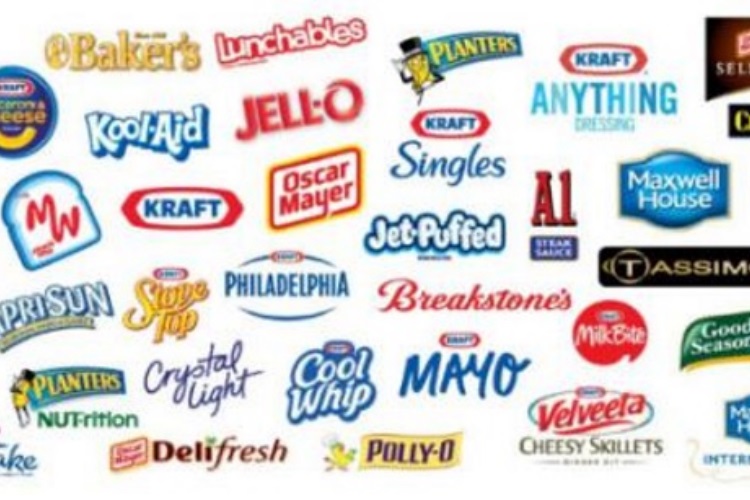
Image source: Bakery and Snacks
Navigating the grocery aisles can be confusing when trying to determine which corporation manufactures your favorite household staples. For decades, the name "Kraft" was synonymous with almost every major snack, cheese, and condiment in the American pantry. However, significant corporate restructuring over the past fifteen years has drastically altered the official Kraft Foods products list.
Today, consumers searching for a definitive directory of Kraft products often encounter outdated information. Many older lists still include brands that were spun off, sold, or transferred to entirely different corporate entities. This comprehensive breakdown clarifies exactly which brands remain under the Kraft Heinz umbrella as of 2026, which brands have been sold, and how the company categorizes its massive global portfolio.
Which Brands Does Kraft Heinz Actually Own?
To understand the current product list, it is necessary to look at the corporate entity that manages it: The Kraft Heinz Company. Formed on July 2, 2015, through the merger of Kraft Foods Group and H.J. Heinz Holding Corporation, the combined entity ranks among the top five largest food and beverage companies in the world.
The merger brought together two distinct portfolios. Heinz contributed a massive global footprint in condiments, sauces, and frozen foods, while Kraft brought its dominant North American presence in cheese, processed meats, and boxed meals. The resulting company operates on a massive scale, employing tens of thousands of workers globally. In recent years, Kraft Heinz has committed to significant infrastructure improvements, including a reported $3 billion investment in United States manufacturing facilities aimed at modernizing production and adding thousands of jobs through the mid-2020s.
The current strategy of Kraft Heinz focuses on "Power Brands"—products that hold dominant market share in their respective categories. Rather than trying to compete in every aisle of the grocery store, the company has streamlined its focus toward meals, flavorings, and hydration, choosing to exit categories where it did not hold a clear competitive advantage.
Why Some Famous Snacks Are No Longer Kraft Products
The most common point of confusion for consumers looking up Kraft products stems from a major corporate event that occurred in 2012. Prior to this year, Kraft Foods Inc. was a sprawling conglomerate that owned everything from macaroni and cheese to chocolate bars and cookies.
In 2012, the company's board of directors executed a strategic split, dividing the corporation into two separate, publicly traded companies. The goal was to separate the high-growth global snack business from the steady, high-margin North American grocery business. The grocery division retained the name Kraft Foods Group (which later merged with Heinz). The global snacking and confectionery division was renamed Mondelēz International.
Because of this split, many iconic brands that consumers still mentally associate with "Kraft" actually belong to Mondelēz. This includes the entire Nabisco portfolio.
- Kraft Mac & Cheese
- Oscar Mayer Meats
- Philadelphia Cream Cheese
- Jell-O Desserts
- Heinz Condiments
- Capri Sun Beverages
- Oreo Cookies
- Ritz Crackers
- Chips Ahoy!
- Wheat Thins & Triscuits
- Cadbury Chocolate
- Toblerone
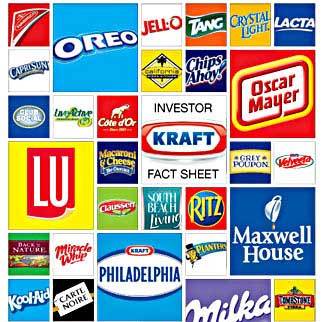
Image source: baike.baidu.com
Condiments and Sauces in the Kraft Heinz Portfolio
The condiments and sauces category represents one of the strongest pillars of the modern Kraft Heinz company. The 2015 merger brought the iconic Heinz brand into the fold, creating a dominant portfolio of flavor enhancers that are staples in both home kitchens and commercial restaurants.
The flagship product is, naturally, Heinz Ketchup. Widely regarded as a top-tier condiment globally, Heinz Ketchup commands a massive share of the market. The Heinz brand extends far beyond ketchup, encompassing yellow mustard, sweet relish, mayonnaise, and a wide variety of specialty barbecue sauces and gravies.
Beyond the Heinz label, the company owns several other highly recognizable sauce and dressing brands:
- A.1. Steak Sauce: A staple in steakhouses and home dining rooms, providing a distinct, tangy flavor profile.
- Grey Poupon: The premium Dijon mustard brand that became a cultural icon through its famous 1980s television advertising campaigns.
- Miracle Whip: Developed during the Great Depression as a lower-cost alternative to mayonnaise, this sweet and tangy dressing maintains a highly dedicated consumer base.
- Kraft Salad Dressings: A vast line of pourable dressings, including popular varieties like Zesty Italian, Ranch, and Thousand Island.
- Classico: A line of jarred pasta sauces inspired by various regional recipes of Italy.
Cheese and Dairy Products You Know and Love
Cheese has been the foundational product of the Kraft brand since its inception. However, the modern dairy portfolio requires a careful distinction due to recent corporate divestitures. While Kraft Heinz still owns many iconic dairy brands, they do not own all the cheese that bears the Kraft name.
Despite the sale of the natural cheese division, Kraft Heinz retained ownership of its highly profitable processed cheese, cream cheese, and specialty dairy lines. The brands currently owned and operated by Kraft Heinz include:
- Philadelphia Cream Cheese: A global powerhouse brand that dominates the cream cheese category, used in everything from morning bagels to commercial cheesecake production.
- Kraft Singles: The individually wrapped processed cheese slices that are a standard ingredient for classic American cheeseburgers and grilled cheese sandwiches.
- Velveeta: A shelf-stable processed cheese product known for its smooth melting characteristics, frequently used in dips and macaroni dishes.
- Cheez Whiz: A thick, processed cheese sauce that gained fame as a traditional topping for Philadelphia cheesesteaks.
- Cracker Barrel: A premium line of block cheeses (not to be confused with the restaurant chain of the same name).
- Breakstone’s and Knudsen: Regional brands specializing in cottage cheese and sour cream.
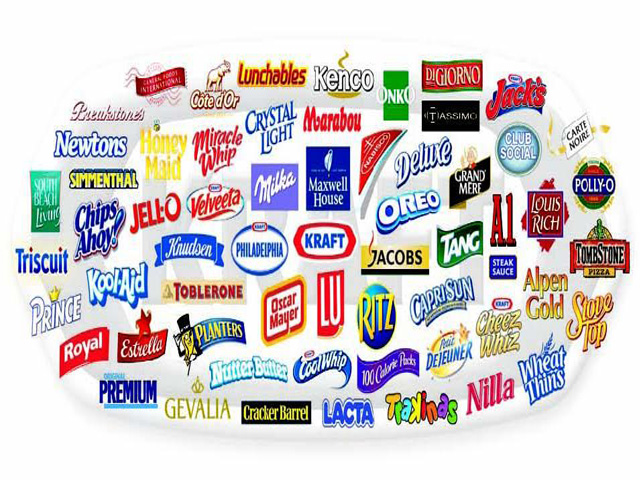
Image source: Grocery.com
Meats and Easy Meals for Busy Families
The demand for convenient, quick-preparation meals has driven significant revenue for Kraft Heinz. This category encompasses both the processed meat division and the boxed meal division, providing solutions for quick lunches and weeknight dinners.
The meat division is anchored by Oscar Mayer, a brand with a rich history of marketing innovation (including the famous Wienermobile). Oscar Mayer produces a wide array of hot dogs, cold cuts, bacon, and fully cooked sausage products. Closely tied to Oscar Mayer is the Lunchables brand. Introduced in the late 1980s, Lunchables created an entirely new grocery category of pre-packaged, build-it-yourself meals for children, remaining a highly popular choice for school lunches.
In the boxed meal category, Kraft Macaroni & Cheese stands as a cultural touchstone. Introduced during the Great Depression as an affordable way to feed a family, the "blue box" remains a pantry staple. In Canada, the product is branded as Kraft Dinner (KD) and enjoys a status akin to a national dish, with Canadians consuming more of the product per capita than any other nation.
Other notable brands in the easy meals category include:
- Shake 'n Bake: Seasoned breadcrumb coatings designed to mimic the texture of fried food when baked in an oven.
- Stove Top: The quick-preparation stuffing mix that transitioned stuffing from a Thanksgiving-only dish to a year-round side dish.
- Delimex: A brand specializing in frozen Mexican-style snacks, such as taquitos and tamales.
- Bagel Bites: Frozen mini-bagels topped with pizza ingredients, marketed heavily as an after-school snack.
- Boca Burger: One of the early pioneers in the mass-market vegetarian and plant-based burger patty category.
Beverages and Refreshments Under the Kraft Umbrella
The beverage portfolio of Kraft Heinz is heavily weighted toward powdered drink mixes and coffee, rather than ready-to-drink carbonated sodas. This focus allows for highly efficient shipping and long shelf life.
In the refreshment category, the company owns several iconic brands. Kool-Aid is perhaps the most famous, known for its brightly colored powdered mixes and the iconic Kool-Aid Man mascot. Capri Sun, the popular juice drink packaged in distinctive foil pouches, is manufactured and distributed by Kraft Heinz in North America under a licensing agreement with the German company WILD. For consumers seeking lower-calorie options, the company offers Crystal Light, while Country Time and Tang round out the powdered beverage offerings.
The coffee division is another major revenue stream. Maxwell House has been a staple of American morning routines for generations, famously marketed with the slogan "Good to the last drop." The company also owns the premium coffee brand Gevalia. Furthermore, Kraft Heinz handles the grocery store distribution for McCafé packaged coffee, bringing the McDonald's coffee experience to home brewers.
The coffee business has occasionally been a source of corporate friction. According to historical records detailed on Wikipedia's Kraft Foods History, Kraft previously managed the grocery distribution for Starbucks coffee. When Starbucks prematurely terminated this agreement, it resulted in a lengthy arbitration process that ultimately ordered Starbucks to pay a $2.7 billion settlement in 2013 (the funds were directed to Mondelēz, as the dispute originated before the corporate split).
Desserts and Baking Essentials in Your Pantry
While Mondelēz took the cookies and chocolates, Kraft Heinz retained the pantry staples used for home baking and simple desserts. These products are often seasonal, seeing massive spikes in sales during the holiday baking season.
The Jell-O brand is the centerpiece of this division. Encompassing both the famous gelatin desserts and a wide range of instant puddings, Jell-O has been a fixture in American kitchens for over a century. Complementing Jell-O is Cool Whip, the imitation whipped cream product sold in plastic tubs, which offers a longer shelf life and more stable texture than traditional whipped cream.
For home bakers, Kraft Heinz produces Baker’s Chocolate, a line of baking bars ranging from unsweetened to semi-sweet, used in brownies, cakes, and cookies. The company also owns Jet-Puffed, the leading brand of marshmallows and marshmallow creme, essential for making crispy rice treats and hot cocoa toppings.
What Happened to Planters and Post Cereals?
When reviewing older directories or outdated PDFs of Kraft products, consumers frequently encounter brands that have long since been divested. Corporate portfolios are constantly evaluated, and brands that no longer fit the core strategic vision are often sold to competitors.
Two of the most notable absences from the modern Kraft Heinz list are Planters and Post Cereals:
- Planters Peanuts: For decades, Mr. Peanut was a prominent figure in the Kraft portfolio. However, in 2021, Kraft Heinz sold its entire nuts business—which included Planters, Cheez Balls, and Corn Nuts—to Hormel Foods for $3.35 billion. Kraft Heinz made this move to reduce corporate debt and focus on its core sauce and meal brands.
- Post Cereals: Brands like Grape-Nuts, Honey Bunches of Oats, and Fruity Pebbles were once part of the Kraft Foods empire. However, Kraft spun off the Post cereal division much earlier, in 2008. Today, Post operates as an independent entity (Post Holdings) and has no affiliation with Kraft Heinz.
How to Read Kraft Labels for Gluten and Allergens
For consumers managing Celiac disease or severe food allergies, understanding corporate labeling policies is crucial. The FDA requires the disclosure of the top major allergens, but the labeling of gluten—specifically when hidden within "natural flavors" or "modified food starch"—can be a source of anxiety.
Kraft Heinz has earned a reputation for transparent labeling practices, a topic frequently discussed on platforms like Celiac.com. The company's internal policy dictates that they will not hide sources of gluten under vague ingredient names.
Furthermore, if an ingredient like "natural flavor" contains barley or rye, Kraft Heinz will list those grains in the ingredient statement. While standard Kraft Macaroni & Cheese is made with wheat pasta and is not gluten-free, the company does manufacture specific Gluten-Free varieties of Mac & Cheese using brown rice and corn pasta, which are produced under strict cross-contamination protocols.
Bulk and Industrial Products for Food Service
Beyond the grocery store shelves, Kraft Heinz operates a massive Business-to-Business (B2B) division known as Kraft Heinz Away From Home. This division supplies restaurants, cafeterias, stadiums, and other food manufacturers with industrial-scale ingredients.
Consumers interact with these products daily without realizing it. When you use a ketchup dispenser at a fast-food restaurant, the condiment is likely supplied via a Heinz "Vol-Pak"—a massive, 3-gallon plastic bag housed in a cardboard box designed to hook directly into commercial pumping systems. The company also sells 55-gallon drums of mustard and mayonnaise to commercial kitchens.
Another fascinating aspect of the industrial portfolio is the sale of specialized ingredients to other food manufacturers. For example, Kraft Heinz produces and sells dehydrated marshmallow bits in bulk pallets. These are the small, crunchy marshmallows commonly found in breakfast cereals and instant hot chocolate mixes produced by other companies.
The History of Innovation at Kraft Foods
The modern product list is the result of over a century of food science innovation and strategic marketing. The origins of the company trace back to James L. Kraft, who began selling cheese from a horse-drawn wagon in Chicago in 1903.
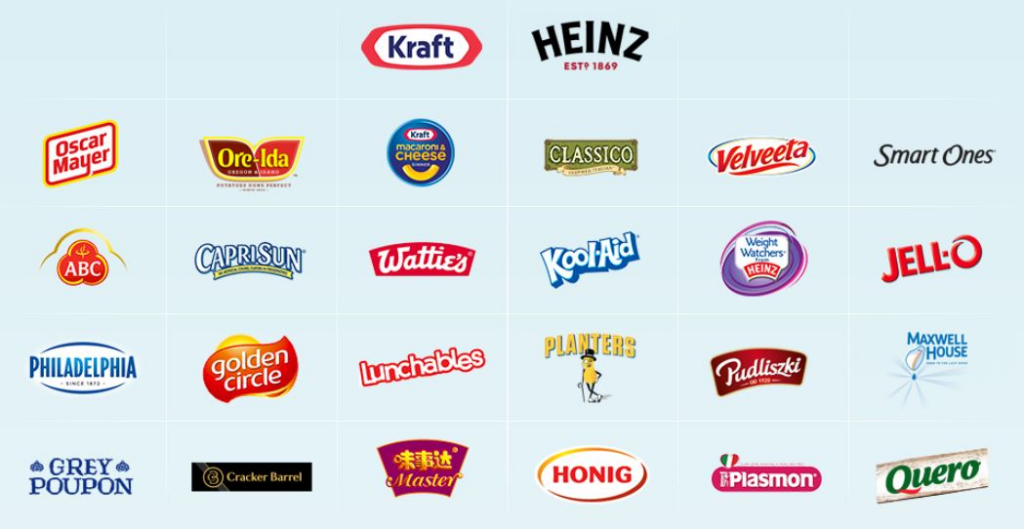
Image source: 42Signals
J.L. Kraft obtained a patent for a method of pasteurizing and processing cheese so it could be packaged in tins without spoiling. This was a significant advancement in food safety and logistics, allowing Kraft to supply millions of pounds of cheese to the U.S. military during World War I.
Oscar Mayer (which would later become part of Kraft) launched the first Wienermobile. This vehicle became one of the most successful and enduring experiential marketing campaigns in American corporate history.
During the height of the Great Depression, a Kraft salesman began attaching packets of grated cheese to boxes of pasta. Kraft formalized the idea and launched Kraft Macaroni & Cheese, marketing it as a way to feed a family of four for just 19 cents.
Kraft Foods Group and H.J. Heinz merged in a deal orchestrated by Berkshire Hathaway and 3G Capital, creating the modern Kraft Heinz Company and uniting two of the most recognizable condiment and dairy portfolios in the world.
Frequently Asked Questions
Final Takeaways on the Kraft Heinz Brand List
Understanding the modern Kraft Foods products list requires looking past historical assumptions and recognizing the impact of recent corporate restructuring. Whether you are stocking your pantry or researching dietary labels, here is a distilled summary of the current Kraft Heinz portfolio:
- Recognize the core pillars: The modern company is built around four main power brands: Heinz (condiments), Kraft (meals/processed cheese), Oscar Mayer (meats), and Philadelphia (cream cheese).
- Look to Mondelēz for snacks: If you are looking for cookies, crackers, or chocolate (like Oreo, Ritz, or Cadbury), those are no longer Kraft products due to the 2012 corporate split.
- Note the recent divestitures: Planters nuts (now Hormel) and Kraft Natural Cheese (now Lactalis) have been sold off, though the cheese still bears the Kraft name under a licensing agreement.
- Trust the transparent labeling: For those with dietary restrictions, Kraft Heinz maintains a policy of explicitly listing gluten sources (wheat, barley, rye, oats) in their ingredient lists, even within modified food starches or natural flavors.
- Expect continued evolution: With a $3 billion investment in US manufacturing through 2025, the company continues to optimize its supply chain, meaning the product list will likely see further refinements in the coming years.
Next time you are organizing your pantry or shopping for groceries, check the back of your favorite condiment or boxed meal to see which corporate entity currently manages the brand.
