
For investors and market analysts, the timing of Nvidia's quarterly financial reports has become a pivotal moment for the broader technology sector. As the primary provider of hardware for the artificial intelligence era, Nvidia's performance often dictates the momentum of the S&P 500 and the Nasdaq 100. Understanding the exact sequence of events during an earnings afternoon is essential for managing risk and capturing opportunities in the high-volatility window following the market close.
In this comprehensive guide, we break down the minute-by-minute schedule of the upcoming Q3 Fiscal 2027 earnings report, analyze the current market expectations, and explore the technical roadmap that institutional investors are watching most closely. Whether you are a retail trader looking for the live webcast or a long-term investor tracking the transition to the Vera Rubin platform, this analysis provides the granular data needed to navigate the event.
Based on the most recent data from Wall Street Horizon, Nvidia is expected to report its third-quarter fiscal 2027 results on Tuesday, November 17, 2026. While the company typically confirms the specific date approximately one week before the event, historical patterns and institutional calendars point to this mid-November window as the confirmed reporting slot.
The reporting process follows a strict "After Market Close" (AMC) protocol. This means the financial data is withheld until the regular trading session on the Nasdaq concludes at 4:00 PM ET. The release of information then occurs in two distinct phases: the document drop and the live commentary.
The first critical moment occurs between 4:20 PM and 4:30 PM ET. During this ten-minute window, Nvidia uploads its formal press release and financial tables to the Investor Relations newsroom. This PDF contains the headline figures—Revenue, Earnings Per Share (EPS), and Gross Margins—that trigger immediate reactions from high-frequency trading algorithms.
The second phase is the official conference call, which begins promptly at 5:00 PM ET (2:00 PM PT). This call, led by CEO Jensen Huang and CFO Colette Kress, provides the qualitative context that the raw numbers lack. It is during this session that the company discusses forward-looking guidance, supply chain constraints, and new product adoption rates.
| Timezone | Press Release Window | Conference Call Start |
|---|---|---|
| Eastern Time (ET) | 4:20 PM – 4:30 PM | 5:00 PM |
| Pacific Time (PT) | 1:20 PM – 1:30 PM | 2:00 PM |
| Greenwich Mean Time (GMT) | 9:20 PM – 9:30 PM | 10:00 PM |
| Hong Kong Time (HKT) | 5:20 AM – 5:30 AM* | 6:00 AM* |
*Note: HKT reflects the following calendar day due to the international date line.
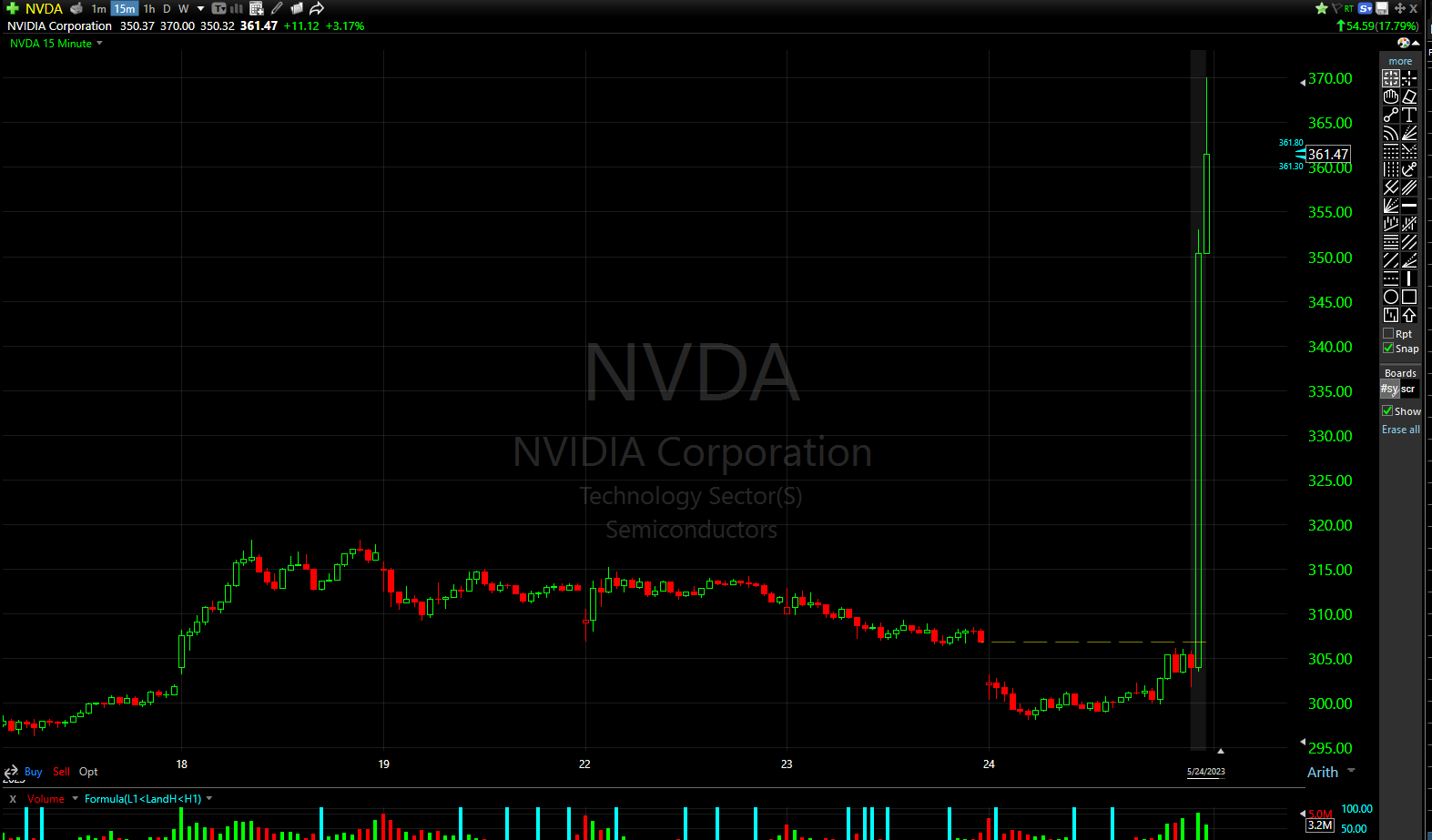
The period between the market close and the end of the conference call is often referred to by traders as the "Earnings Afternoon." This window is characterized by two distinct waves of volatility, each driven by different types of information and market participants.
The "Dead Zone" is the gap between the press release (approx. 4:22 PM ET) and the start of the call (5:00 PM ET). During these 38 minutes, the stock price is driven almost entirely by quantitative data. Algorithms scan the PDF for "beats" or "misses" against consensus estimates. If Nvidia reports revenue of $110 billion against a $108 billion estimate, the stock may spike instantly. However, this initial move is often incomplete because it does not account for the nuances of the company's outlook.
According to analysis from Kiplinger, this window is when retail investors should be most cautious. The lack of liquidity in after-hours trading can lead to exaggerated price swings that may partially reverse once the CEO begins speaking.
Once the conference call begins at 5:00 PM ET, a second wave of price discovery occurs. This is when Jensen Huang provides updates on the "Vera Rubin" platform or addresses concerns regarding the "China Zero" guidance. Institutional investors listen for specific keywords related to "supply capacity" and "Blackwell ramp-up." A single comment about a delay in chip shipments or a surprise increase in capital expenditure can cause the stock to "re-rate" its initial 4:22 PM move.
Nvidia provides a public webcast for every earnings call, ensuring transparency for both institutional and retail shareholders. Accessing the call is straightforward, but there are a few technical steps to ensure you don't miss the start of the remarks.
The primary source for the audio stream is the Nvidia Investor Relations events page. Typically, a "Listen to Webcast" link appears on this page approximately 30 minutes before the 5:00 PM ET start time. Users are generally required to register with their name and email address to join the "Listen Only" mode.
For those who prefer a multi-screen setup, several platforms offer enhanced coverage:
As we approach the November reporting date, the consensus among Wall Street analysts has coalesced around a set of high-growth targets. Nvidia is no longer just being compared to its own past performance; it is being measured against the massive capital expenditure plans of "Hyperscalers" like Microsoft, Google, and Meta.
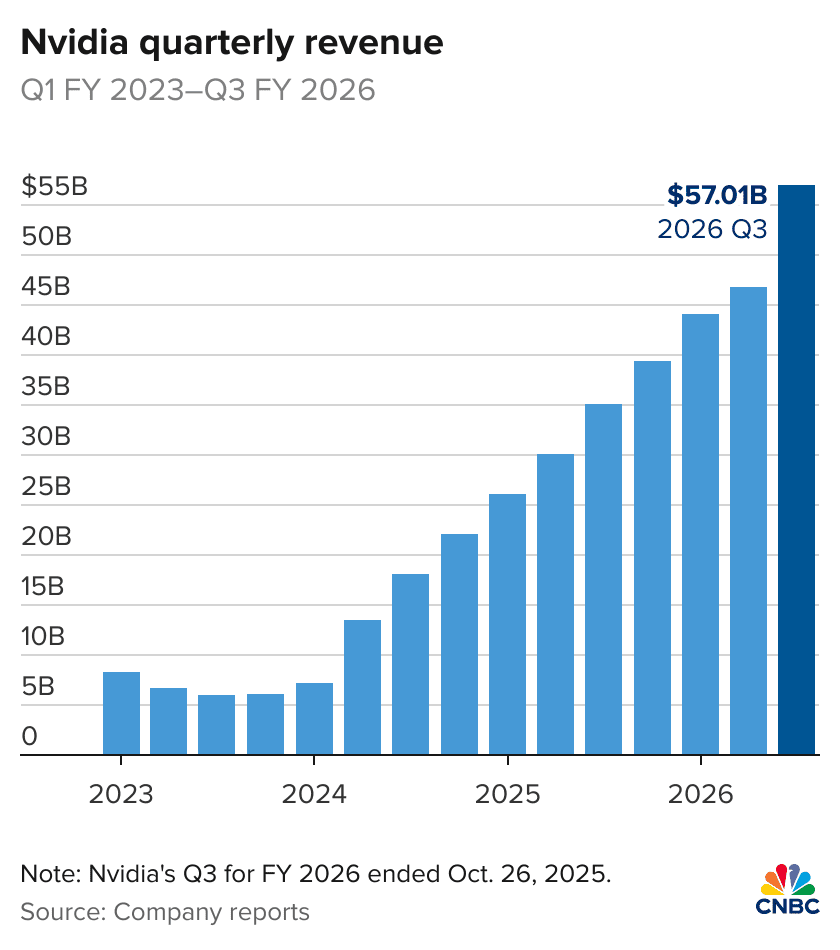
For Q3 Fiscal 2027, the consensus revenue estimate stands at approximately $108 billion, representing a significant year-over-year increase. The expected Earnings Per Share (EPS) is pegged at $2.47. However, for a company like Nvidia, simply meeting these numbers is often insufficient to drive the stock higher. Investors typically look for a "meaningful beat"—historically, Nvidia has exceeded expectations by an average of 6% to 10% over the last four quarters.
Beyond the top and bottom lines, the most critical metric for institutional health is the Gross Margin. Nvidia has maintained a GAAP gross margin of approximately 75%. Any dip below this threshold could signal that the company is facing increased competition or rising production costs for its Blackwell architecture. Conversely, maintaining these margins while scaling revenue to $100B+ would be considered a sign of an exceptionally strong competitive moat.
While the current earnings cycle is dominated by the ramp-up of Blackwell chips, forward-looking investors are already pricing in the next generation of hardware: the Vera Rubin platform. Named after the pioneering astronomer, this architecture represents Nvidia's transition from a GPU-centric company to a full-stack data center provider.
A notable advancement in the Rubin roadmap is the inclusion of Nvidia's first ground-up CPU. This is a significant step forward because it allows Nvidia to capture the entire "compute tray" in a data center, directly challenging the dominance of Intel and AMD in the processor market. Recent reports indicate that Amazon has already secured a deal for "millions of CPUs," signaling that Nvidia's expansion into non-GPU hardware is gaining rapid traction.
Despite the company's remarkable growth, several risk factors have emerged in recent filings that investors must monitor during the earnings call. These are not just theoretical concerns; they are documented challenges that could impact the stock's long-term trajectory.
Nvidia’s official guidance now assumes $0 in Data Center compute revenue from China due to ongoing U.S. export controls. While the company has developed "compliant" chips for the Chinese market, the baseline expectation is that this region will not contribute to the core growth story. This creates a unique dynamic: any revenue Nvidia manages to generate from China is viewed as a "pure beat" that isn't currently priced into the stock.
In the Q2 Fiscal 2027 report, Nvidia officially identified "indebtedness" as a standalone risk factor. The company reported $33.5 billion in senior notes and other debt obligations. While Nvidia has a massive cash pile, the formalization of this risk factor suggests that the cost of financing its rapid expansion is becoming a more prominent part of the balance sheet conversation.
There is growing scrutiny regarding Nvidia's role as a financier. The company is working with firms like BlackRock and Apollo to mobilize $500 billion for AI infrastructure. Some analysts question if this creates a "circular economy" where Nvidia-backed funds provide capital to startups, which then use that money to buy Nvidia chips. During the Q&A, listen for questions regarding the "quality" of the customer base and the sustainability of this infrastructure build-out.
If you search for the Nvidia earnings date, you may notice a discrepancy between various financial platforms. This is a common occurrence with Nvidia, as the company often waits until the last possible moment to finalize its Tuesday vs. Wednesday slot.
To avoid missing the event, investors should follow the "7-Day Rule." Nvidia typically issues a formal press release confirming the date and the webcast link exactly seven days before the event. Check the Nvidia Newsroom on November 10th for the final confirmation.
For the most accurate results, set a calendar alert for 4:00 PM ET on November 17th to begin monitoring the news wires for the initial data drop.
