
The Quick Answer: NYX Professional Makeup is an American brand headquartered in Los Angeles, California, but its manufacturing is global. While a significant portion of its products are manufactured in China, the brand also produces high-precision items in Germany, South Korea, Taiwan, and the USA. Despite manufacturing in China, NYX remains strictly PETA-certified cruelty-free by utilizing specific export regulations that bypass mandatory animal testing laws.
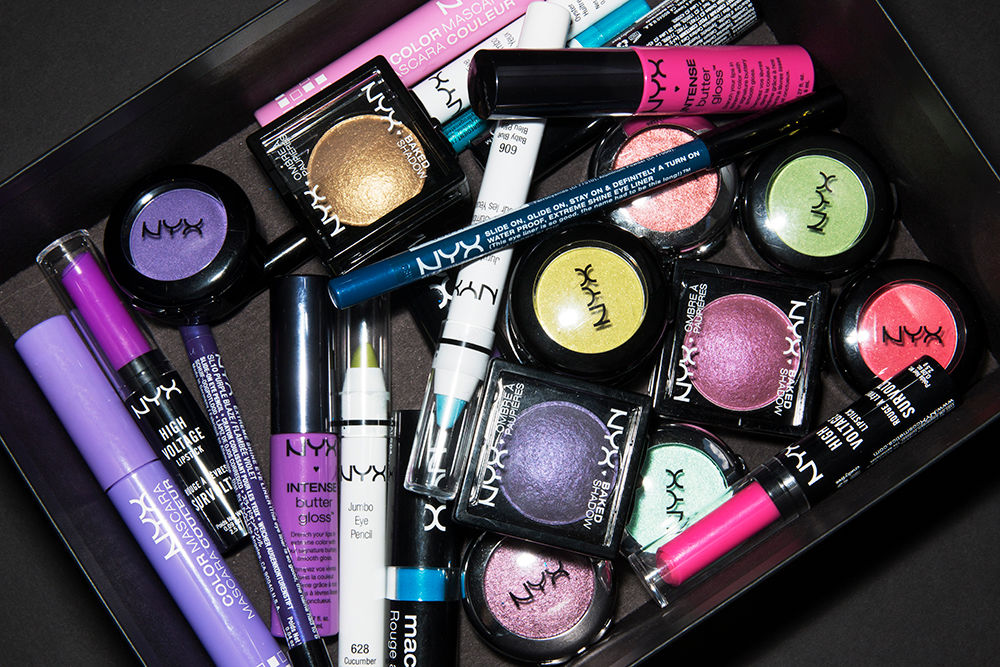
When you pick up a vibrant eyeliner or a highly pigmented shadow palette from the drugstore, you might assume the entire production process happens in one massive factory. For NYX Professional Makeup, the reality is much more complex. The brand has built its reputation on delivering professional-grade formulas at accessible price points, a feat that requires a highly optimized, global supply chain.
Consumers today are increasingly vigilant about where their cosmetics come from. The "Made in China" label on a favorite lip gloss often triggers immediate questions about ethical manufacturing, ingredient safety, and animal testing policies. Because NYX is a subsidiary of a massive global conglomerate, navigating the truth behind its production requires looking past the marketing copy and examining international trade regulations.
This article breaks down exactly where NYX sources its most popular items, how the brand navigates international safety standards, and the specific regulatory mechanisms that allow it to maintain its cruelty-free status while operating on a global scale.
To understand where NYX products are made, it is helpful to first understand who actually owns and operates the company. There is often confusion among consumers about whether NYX is an independent American indie brand or a French corporate entity. The answer is a blend of both.
NYX was founded in Los Angeles, California, by Toni Ko. Armed with a $250,000 loan from her parents, Ko noticed a gap in the market: consumers had to choose between expensive prestige brands at department stores or low-quality, poorly pigmented options at drugstores. She launched NYX to bridge this gap, starting with a line of jumbo eye pencils that generated $2 million in revenue within the first year.
After 15 years of explosive growth driven largely by early YouTube beauty influencers and word-of-mouth, the French beauty conglomerate L'Oréal acquired NYX for an estimated $500 million. NYX was integrated into L'Oréal's "Consumer Products" division, giving the brand access to massive global distribution networks and advanced research and development laboratories.
As of 2026, while the parent company is headquartered in Clichy, France, NYX maintains its distinct brand identity and operational headquarters in El Segundo, California. The product development, marketing, and creative direction still stem from its Southern California roots.
This dual identity heavily influences its manufacturing. While the creative concepts are born in Los Angeles, the actual production leverages L'Oréal's vast, worldwide network of contracted factories and suppliers to keep costs down while maintaining high output volumes.
NYX's branding, product naming conventions, and marketing campaigns are deeply rooted in Los Angeles culture. The brand positions itself as a staple for professional makeup artists in the US entertainment industry, and its primary creative headquarters remains in California.
Behind the scenes, NYX benefits from L'Oréal's global supply chain. This means NYX products are subject to the parent company's rigorous internal safety testing protocols and have access to manufacturing facilities across Europe and Asia that independent brands cannot easily afford.
Unlike small indie brands that might mix formulas in a single local lab, a brand of NYX's size utilizes a decentralized manufacturing strategy. Different countries specialize in different types of cosmetic technology. By outsourcing specific product categories to the regions that do them best, NYX can maintain its "professional quality" promise without raising prices.
According to industry analyses of cosmetic origins, you will find several different countries stamped on the back of NYX packaging depending on the specific item you purchase.
| Country of Origin | Primary Product Categories | Why It's Made Here |
|---|---|---|
| China | Large multi-pan shadow palettes, liquid lipsticks, plastic packaging components, and makeup brushes. | Unrivaled infrastructure for high-volume plastic injection molding and large-scale assembly at competitive price points. |
| Germany | Precision wooden pencils (e.g., Slim Lip Liners, Eyebrow Shapers, Jumbo Eye Pencils). | Germany is home to some of the world's oldest and most advanced wood-clenched cosmetic pencil manufacturers. |
| South Korea | Complexion products (foundations, concealers), cushion compacts, and innovative skincare-hybrid textures. | South Korea leads the global beauty industry in advanced formulation technology, particularly for skin-focused cosmetics. |
| Taiwan | Specific molded plastic components, compact mirrors, and specialized makeup tools. | Highly specialized precision manufacturing for durable cosmetic hardware and packaging. |
| USA | Select bulk liquid formulas, limited edition runs, and final assembly for certain North American batches. | Proximity to the Los Angeles headquarters allows for rapid turnaround on trend-driven, limited-release items. |
If you look closely at a NYX Slim Lip Liner, you will almost certainly see "Made in Germany" printed near the barcode. Conversely, if you examine a large 16-pan eyeshadow palette, it will likely read "Made in China." This strategic division of labor ensures that each product is created in a facility equipped with the specific machinery required for that formula.
One of the most persistent concerns among beauty consumers is the relationship between Chinese manufacturing and animal testing. For years, the rule of thumb in the cruelty-free community was simple: if a brand sells in China, it cannot be cruelty-free. This is because, historically, the Chinese government mandated animal testing for all imported cosmetics.
However, the reality of international trade law is highly nuanced. NYX is officially certified by PETA's "Beauty Without Bunnies" program, which is widely regarded as a rigorous standard for cruelty-free verification. So, how does a brand manufacture products in China without subjecting them to animal testing?
China's mandatory animal testing laws primarily apply to foreign finished goods that are imported and sold in physical retail stores within mainland China. The laws do not mandate animal testing for products that are merely manufactured in China and then exported to other countries.
NYX utilizes this regulatory framework to its advantage. The brand contracts factories in China to produce items like eyeshadow palettes and liquid lipsticks. Once these products are manufactured, they are immediately exported to distribution centers in the US, Europe, and other global markets. Because these specific items are not placed on physical retail shelves in mainland China, they bypass the government's pre-market animal testing requirements.
Furthermore, when NYX does sell to consumers in China, it typically does so through Cross-Border E-Commerce (CBEC) platforms. Under current Chinese regulations, products sold directly to consumers via specific online channels are exempt from the animal testing mandates that apply to brick-and-mortar stores.
To maintain its PETA certification, NYX must ensure that:
It is worth noting that while NYX is cruelty-free, its parent company, L'Oréal, is not universally recognized as a cruelty-free corporation, as L'Oréal sells other brands within its portfolio in physical Chinese retail spaces. However, organizations like PETA allow subsidiary brands to hold independent cruelty-free status provided they meet all criteria autonomously.
When a product says "Made in China" or "Made in Korea," it rarely means NYX owns a dedicated building in those countries with its logo on the door. Like the vast majority of cosmetic brands—from drugstore staples to high-end luxury labels—NYX relies heavily on Original Equipment Manufacturers (OEMs) and Original Design Manufacturers (ODMs).
An OEM is a third-party factory that produces goods based on the specific formulas and designs provided by the brand. An ODM goes a step further, often developing the formula itself, which the brand then purchases, tweaks, and packages under its own name.
One of the major players in this space is Cosmax, a massive South Korean cosmetic manufacturer. Cosmax operates state-of-the-art facilities not only in South Korea but also in China, the US, and Indonesia. According to manufacturing industry data, major conglomerates frequently partner with these specialized OEMs because they possess the advanced machinery required for complex formulations, such as micro-milled powders or long-wear liquid emulsions.
When NYX develops a new foundation, the Los Angeles team may conceptualize the texture, coverage, and shade range. They then work with an OEM partner in South Korea to formulate the product using the latest K-beauty technology. Once the formula is finalized, the OEM manufactures the bulk product, fills the packaging, and ships the finished goods to NYX's distribution centers.
This reliance on OEMs is why you might occasionally find a drugstore product that feels remarkably similar to a high-end prestige product; they may very well have been manufactured in the exact same facility, on the exact same equipment, simply using different proprietary ingredient ratios.
The internet is rife with alarmist articles claiming that cosmetics manufactured in China are inherently dangerous, often citing rumors of products containing heavy metals like arsenic or unsanitary elements like fecal matter. It is crucial to separate the reality of regulated, corporate manufacturing from the dangers of the counterfeit black market.
The terrifying reports of toxic ingredients in makeup almost exclusively stem from counterfeit cosmetics—fake products designed to look like popular brands, manufactured in unregulated, underground facilities, and sold on shady third-party websites or street corners. These counterfeiters do not adhere to any safety standards.
Legitimate NYX products, regardless of whether they are manufactured in a factory in Shenzhen, China, or Munich, Germany, are subject to strict corporate and governmental oversight. Because NYX is owned by L'Oréal, every factory they contract with must adhere to the parent company's global quality assurance standards. This involves rigorous testing for microbial contamination, heavy metal limits, and ingredient stability.
Furthermore, the safety of a cosmetic product is dictated by the regulations of the country where it is sold, not just where it is made. For NYX products to be legally sold in the United States, they must comply with the regulations enforced by the US Food and Drug Administration (FDA), including the recent Modernization of Cosmetics Regulation Act (MoCRA). Similarly, products sold in Europe must adhere to the EU Cosmetics Regulation, which is widely considered one of the strictest safety frameworks in the world, banning thousands of potentially harmful chemicals.
When a batch of NYX eyeshadow is manufactured in China, it cannot simply be placed on a shelf in California or Paris. It must pass through customs, provide documentation of its ingredient list, and meet the safety thresholds of the importing country. Therefore, a legitimate NYX product made in China is held to the exact same safety standards as a NYX product made in the USA.
In recent years, search trends regarding NYX have increasingly included queries about political affiliations, specifically regarding the brand's relationship with Israel. This stems from broader social media movements that target multinational corporations based on their global operations and investments.
NYX Professional Makeup, as an individual brand, does not typically release statements regarding geopolitical conflicts. The brand's marketing focuses almost exclusively on makeup artistry, inclusivity in beauty, and product launches. However, because NYX is wholly owned by L'Oréal, it is frequently included in boycotts directed at its parent company.
L'Oréal is a massive global entity with operations, research centers, and investments in dozens of countries worldwide, including Israel. The company has historically operated a commercial subsidiary in Israel and has invested in Israeli beauty technology startups. Consequently, organizations participating in the Boycott, Divestment, and Sanctions (BDS) movement often place L'Oréal—and by extension, all of its subsidiary brands like NYX, Maybelline, and Garnier—on boycott lists.
For consumers who base their purchasing decisions on corporate political footprints, it is important to recognize that buying NYX ultimately contributes to L'Oréal's global revenue. Whether this influences a purchasing decision is entirely up to the individual consumer's personal ethics and priorities.
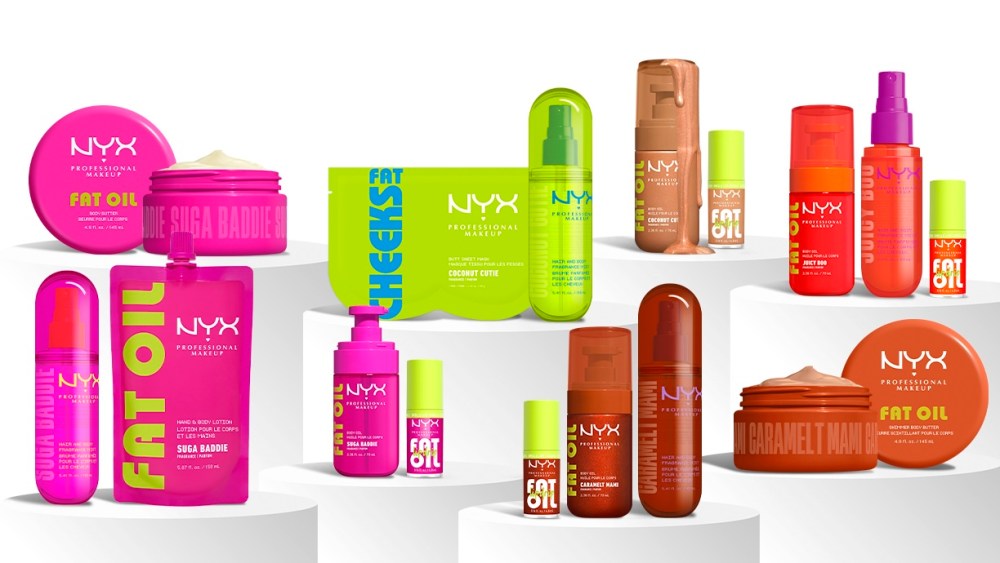
NYX Professional Makeup stands out as a top choice for consumers seeking high-pigment, professional-grade cosmetics without the luxury price tag. To achieve this balance of quality and affordability, the brand relies on a highly strategic, global manufacturing network.
