Why Are Temu Prices So Low and Why Do They Change at Checkout?
Temu maintains exceptionally low prices through a Manufacturer-to-Consumer (M2C) model that removes wholesalers and a strategic "loss leader" approach where the company reportedly loses up to $30 per order on new customers. However, prices often fluctuate by 30–60% daily due to dynamic algorithms. If your price jumps at checkout, it is typically due to the expiration of time-sensitive "Lightning Deals," the addition of regional sales tax, or falling below free shipping thresholds.
Walking through the digital aisles of Temu can feel like entering a different economic reality. Wireless earbuds for $4, kitchen gadgets for $1.50, and summer dresses for less than a cup of coffee are standard. For many shoppers in 2026, the primary question isn't just "how is it so cheap?" but "why did the price change the moment I tried to buy it?"
Understanding temu prices requires looking past the bright orange interface and into the complex machinery of global logistics, geopolitical trade shifts, and aggressive customer acquisition strategies. As the platform matures, the "wild west" era of pricing is evolving into a more regulated, albeit still volatile, landscape.
How Temu Keeps Prices Lower Than Amazon and Walmart
The core of Temu's pricing strategy is a notably innovative supply chain known as the Manufacturer-to-Consumer (M2C) model. In traditional retail, a product travels from a factory to an exporter, then to an importer, a wholesaler, a regional distributor, and finally to a retail shelf. Each of these "middlemen" adds a markup to cover their own overhead and profit margins.
Temu effectively collapses this chain. By providing a direct digital storefront for Chinese factories, the platform allows manufacturers to sell directly to global consumers. According to research into why Temu is so cheap, this model eliminates up to 70% of the traditional retail markup. The factories handle the production, while Temu handles the massive marketing engine and the logistics of the "last mile."
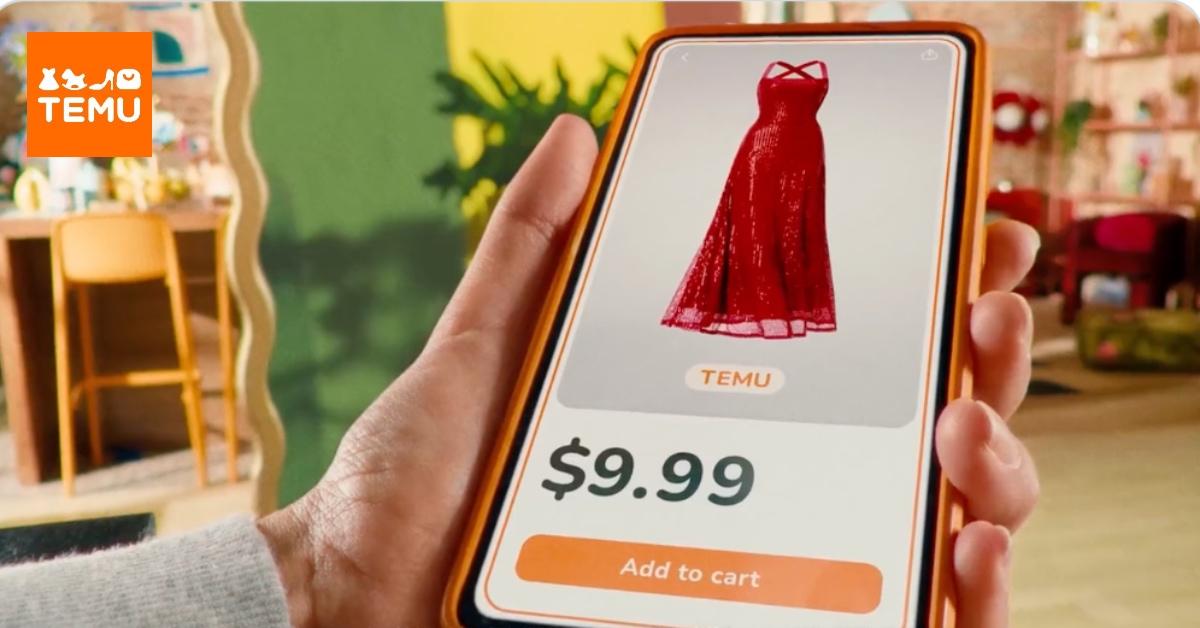
Image source: Market Realist
The Loss Leader Strategy
Beyond supply chain efficiency, Temu employs an aggressive "loss leader" strategy. In the retail world, a loss leader is a product sold at a price below its market cost to stimulate other sales or acquire customers. Temu has applied this to its entire platform. Estimates suggest the company is willing to absorb a loss of approximately $30 per order for new users to build brand loyalty and capture market share from established giants like Amazon.
Minimal Digital Overhead
Unlike Walmart or Amazon, Temu does not maintain a vast network of physical storefronts or thousands of local customer service hubs. Their "digital-first" approach relies heavily on automated systems and AI-driven support. This lean operational structure allows them to operate on razor-thin margins that would be unsustainable for traditional brick-and-mortar retailers.
Why Your Temu Price Might Jump When You Reach the Checkout
One of the most frequent complaints from users is the "checkout jump"—the phenomenon where a cart total increases significantly between the product page and the final payment screen. This is rarely a technical glitch; rather, it is the result of several overlapping pricing mechanics.
- The Lightning Timer: Check if the red countdown clock on the product page has less than 5 minutes remaining.
- Shipping Thresholds: Ensure your total (after coupons) hasn't dropped below the $15 or $20 free shipping limit.
- Tax Calculation: Remember that Temu displays prices exclusive of sales tax until your shipping address is confirmed.
The "Lightning Deal" Expiration
Temu uses high-velocity flash sales, often called "Lightning Deals," which typically last between 2 and 8 hours. These deals are tied to specific inventory counts. If you spend 20 minutes browsing other items while a deal expires, the item in your cart will automatically revert to its "standard" price. Because these swings can be as high as 60%, the difference is immediately noticeable at checkout.
Hidden Taxes and Regional Fees
In many regions, particularly the United States, sales tax is not included in the initial price tag. Because sales tax varies by state and even by zip code, Temu's system only calculates the final tax burden once you have entered your shipping details. For a large cart, this can add several dollars to the total, leading to "sticker shock" for uninitiated users.
Coupon Stacking and Order Minimums
Temu is famous for its "coupon bundles." However, many of these coupons have strict "minimum spend" requirements. If you remove one item from your cart, you might inadvertently drop below the threshold for a $20-off coupon, causing the prices of all other items to effectively rise. Similarly, if a coupon drops your order value below the free shipping threshold, a $2.99 or $5.99 shipping fee may be added at the final step.
How New Tariffs and Regulations Are Changing Temu Prices in 2026
The landscape for temu prices has shifted dramatically in 2026 due to geopolitical pressures. For years, Temu and competitors like Shein utilized the "De Minimis" loophole, which allowed packages valued under $800 to enter the U.S. duty-free. New regulations have significantly tightened this threshold.
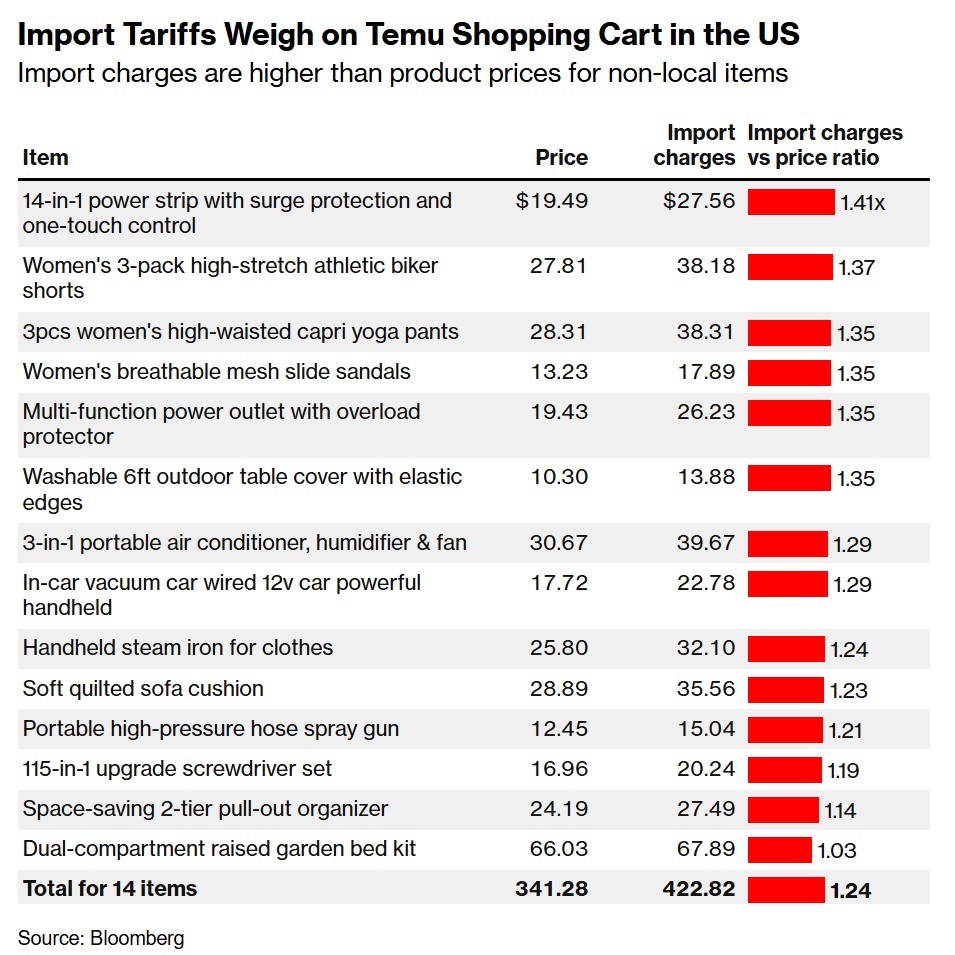
Image source: The Verge
The Shift to Local Fulfillment and What It Means for Your Wallet
To combat rising tariffs and shipping costs, Temu has initiated a significant pivot: recruiting U.S.-based sellers and utilizing local warehouses. This "Local Fulfillment" model represents a major shift in the company's business strategy.
According to reports from Fashion Dive, this move allows Temu to bypass certain import taxes by shipping goods in bulk to U.S. warehouses rather than as individual consumer packages. However, this comes with a trade-off. Local fulfillment involves higher labor and storage costs compared to Chinese warehouses.
Faster Shipping vs. Higher Prices
When you see a "Local Warehouse" or "Ships from US" tag on Temu, you can expect delivery in 2–3 days rather than 10–14 days. However, you will likely notice that these items are priced 10–20% higher than their overseas counterparts. Martin Balaam, CEO of Pimberly, notes that this puts "margin pressure" on Temu as they begin to compete directly with Amazon’s logistics speed while trying to maintain their price advantage.
Is the Temu App Actually Cheaper Than the Desktop Website?
The short answer is yes. Temu’s business model relies heavily on data and user engagement, both of which are more effectively captured via a mobile app. To incentivize this, the platform offers significant price deltas between the app and the desktop site.
Temu Desktop Site
- Standard pricing on all items.
- Limited access to "Spin the Wheel" credits.
- Fewer "App-Only" flash deals.
- Easier for price comparison tools.
Temu Mobile App
- 20–40% exclusive coupon codes.
- Gamified rewards (Fishland, Farmland).
- Real-time push alerts for price drops.
- Higher volatility in dynamic pricing.
Dynamic pricing is particularly aggressive on the app. Algorithms track your browsing history and may lower the price of an item you've viewed multiple times to "nudge" you toward a purchase. Conversely, if an item is trending globally, the app may raise the price in real-time to capitalize on demand. These swings can range from 30% to 60% within a single 24-hour window.
How to Track Temu Price History and Catch the Lowest Deals
Because temu prices are so fluid, buying at the wrong time can mean paying double what you should. Savvy shoppers in 2026 use a combination of tools and timing to ensure they are getting the most competitive rate.
Using Price Trackers
Several browser extensions and third-party websites now offer price tracking specifically for Temu. These tools allow you to see a 30-day or 90-day history for a specific product URL. If the current price is at an all-time high, it is often worth waiting 48 hours, as the algorithm will likely cycle back to a "Lightning Deal" price point.
The Best Time to Buy
Data suggests that the highest volume of price drops occurs during "off-peak" hours in the target market's time zone. For U.S. shoppers, checking the app late at night or early in the morning often reveals fresh Lightning Deals that haven't yet hit their inventory caps. Additionally, major shopping holidays (Black Friday, 11.11, and Temu's anniversary sales) offer the deepest sitewide discounts.

Image source: TonySourcing
Does Temu Offer Price Adjustments If an Item Goes on Sale Later?
One of Temu's most consumer-friendly features is its Price Adjustment Policy. If you purchase an item and its price drops within a specific window (typically 30 days), you can request a refund of the difference. This is a critical tool for mitigating the frustration of dynamic pricing.
How to Request a Refund
- Open the Temu app and go to "Your Orders."
- Select the specific order that contains the item.
- Look for the "Price Adjustment" button next to the item. If the price has dropped, the button will be active.
- Click the button to receive the difference as a Temu credit in your account.
Note that this only applies to the base price of the item and does not include changes in shipping fees or promotional coupon values that were applied at the time of purchase.
Temu vs. Shein vs. Amazon Price Comparison
To understand where Temu sits in the 2026 market, we must compare it to its closest rivals. While Temu is often the leader in raw price, other factors like shipping speed and quality consistency play a role in the "total value" calculation.
| Category | Temu (M2C) | Shein (Fast Fashion) | Amazon (Retail) |
|---|---|---|---|
| Base Price | Lowest (High Subsidies) | Low (Apparel Focus) | Moderate to High |
| Shipping Speed | 5–12 Days | 7–14 Days | 1–2 Days (Prime) |
| Price Stability | Very Low (Daily Swings) | Moderate | High |
| Return Policy | 90 Days (Free 1st) | 30 Days | 30 Days |
As shown in the comparison, Temu ranks among the top options for budget-conscious shoppers who are not in a rush. However, for "mission-critical" items where quality and speed are paramount, Amazon remains a strong contender despite the higher price point.
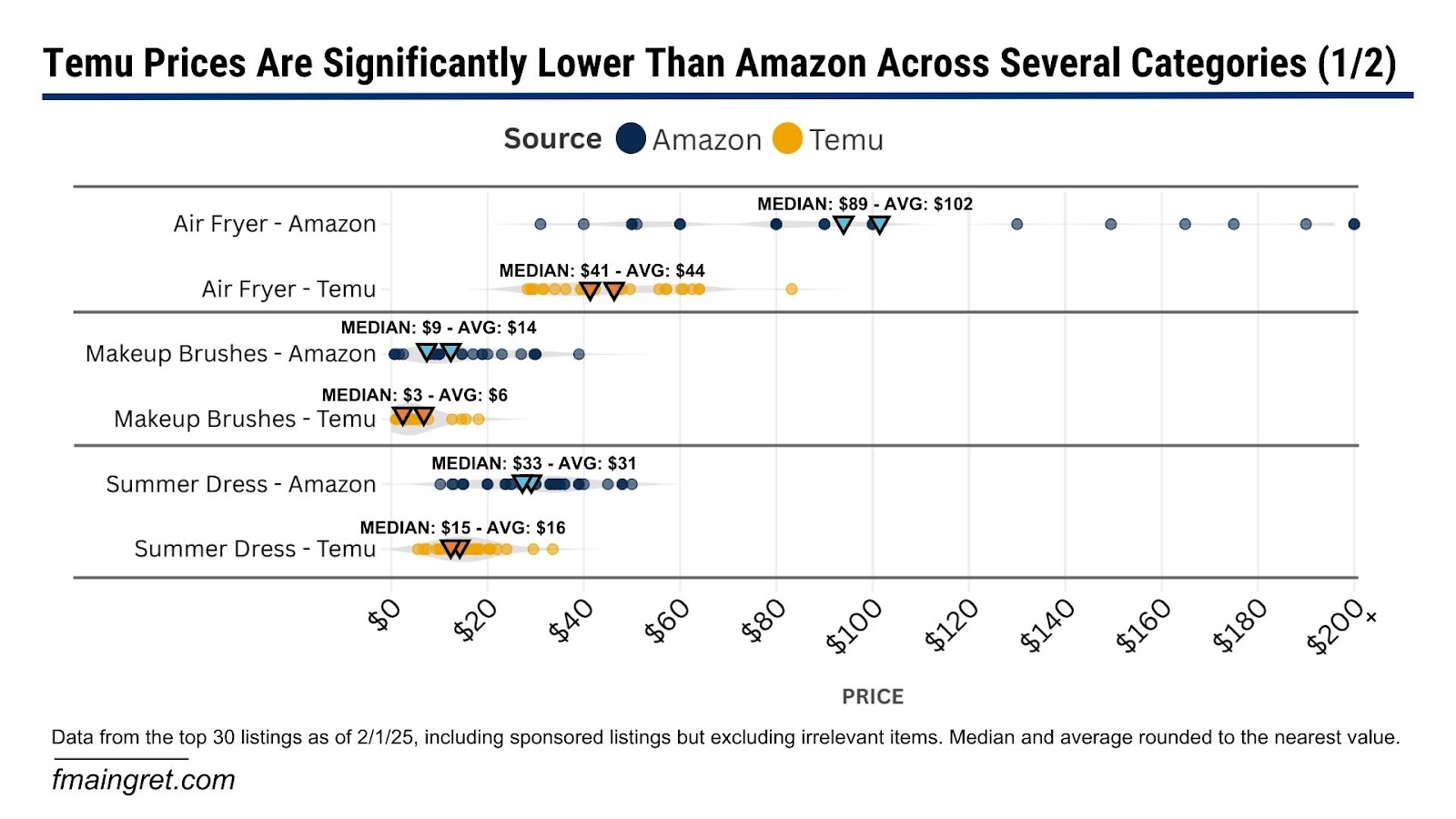
Image source: François Maingret
Frequently Asked Questions
The Bottom Line on Temu Prices
Temu remains a leading choice for ultra-low-cost shopping in 2026, but the era of static, predictable pricing is over. To get the most value, keep these takeaways in mind:
- Always use the App: The mobile platform consistently offers 20–40% lower prices than the desktop site.
- Watch the Timers: Lightning Deals are real; if you see a price you like, complete the purchase before the timer expires.
- Check for Local Shipping: Look for the "Local Warehouse" tag if you need items quickly, but expect to pay a small premium.
- Utilize Price Adjustments: Check your "Orders" page weekly to claim refunds on items that have dropped in price.
- Factor in Taxes: Always assume your final total will be 5–10% higher than the cart total due to regional sales tax.
For the most consistent savings, refresh your cart immediately before paying to ensure all "Lightning Deal" prices are still active.